▷ Facts & History
Top 20 U.S. Universities (2026) — Acceptance Rates + Why It's Hard. It's a list ranked by overall national university strength
University Rank Acceptance Rate (%) Why It's Hard
Harvard University 1 3.5 Global prestige, massive applicant volume, tiny freshman class.
Stanford University 2 3.9 Insane demand for tech/entrepreneurship pathways; extremely small class size.
MIT 3 4.6 World‑leading STEM programs; applicants are already top of the top.
Yale University 4 4.5 Humanities powerhouse; holistic review favors exceptional depth.
Princeton 5 4.6 Elite research + small enrollment; admits fewer students than peers.
Columbia University 6 4.2 NYC location drives demand; Core Curriculum attracts high achievers.
University of Chicago 7 5 Intellectual culture; famously rigorous academics; self‑selecting applicant pool.
University of Pennsylvania 8 5.9 Innovation hub, huge applicant pool
Brown University 9 5.2 Open curriculum attracts independent thinkers; extremely popular.
Duke University 10 4.7 Strong academics + athletics; highly competitive Southern Ivy.
Dartmouth College 11 6 Small Ivy; limited seats; strong alumni network.
Northwestern University 12 7.1 Top journalism, engineering, and theater programs; high demand.
Cornell University 13 8.2 Large but still selective; specialized colleges with different admit rates.
UC Berkeley 14 11.7 #1 public university; massive global demand; limited seats for out‑of‑state.
University of Virginia (UVA) 15 16.9 Top‑3 public university; extremely competitive out‑of‑state admissions.
UC Los Angeles (UCLA) 16 9 #2 public university; Massive applicant volume (largest in the nation); top programs across STEM, arts, and social sciences.
University of Michigan 17 16.4 Massive research powerhouse; highly competitive out‑of‑state admissions.
Johns Hopkins University 18 7 World‑leading medical and research programs; extremely high-achieving applicant pool.
Rice University 19 8 Small class size; top STEM and humanities programs; strong merit competition.
Georgetown University 20 13 Elite international relations, business, and policy programs; D.C. location drives demand.
Charité (Germany) became a medical mainstay by training figures like Rudolf Virchow and Robert Koch, whose discoveries underpin pathology and microbiology. Admission emphasizes strong science preparation, structured application stages,
and early exposure to clinical environments—echoing your examples. Charité's research hospitals and laboratories shaped European medical standards and continue to influence global biomedical science.
Johns Hopkins (U.S.) became a system‑shaping institution by pioneering the modern medical‑school model: rigorous science prerequisites, structured admissions, laboratory‑based learning, and clinical rotations. Its graduates shaped surgery,
internal medicine, and public health worldwide. The school's emphasis on research, reflection, and meaningful experience mirrors the holistic admissions approach you described.
The University of Toronto became a Canadian dental powerhouse through demanding science coursework, DAT performance, and clinical exposure requirements similar to U.S. programs. Its graduates advanced oral‑surgery techniques, biomaterials
research, and community‑based dental care. The institution's influence stems from its integration of research labs, teaching clinics, and public‑health outreach.
The University of Tokyo's Faculty of Medicine became one of Asia's defining medical powerhouses by setting rigorous academic expectations long before standardized exams existed. Students faced demanding coursework in anatomy,
physiology, and biochemistry, paired with clinical rotations that emphasized precision and discipline. Its graduates—such as Shibasaburo Kitasato, co‑discoverer of the tetanus antitoxin—helped modernize Japan's public‑health
infrastructure. The institution's influence grew through research hospitals, government partnerships, and a culture that prizes scientific rigor and societal responsibility.
Tokyo Medical and Dental University is a Japanese dental keystone known for biomaterials research, craniofacial surgery, and demanding admissions rooted in science excellence and manual skill.
Seoul National University College of Medicine is a research‑driven medical flagship producing surgeons, researchers, and public‑health leaders who shaped South Korea's healthcare modernization.
All India Institute of Medical Sciences (AIIMS) became a flagship medical institution by producing physicians who shaped India's healthcare systems, medical education, and biomedical research. Admission requires exceptional
academic performance, competitive exam scores, and evidence of service commitment—mirroring your examples of structured, multi‑stage application pathways. AIIMS alumni lead national hospitals, research centers, and global health
organizations, turning the institution into a cornerstone of South Asian medical leadership.
King's College London became a European dental pillar through demanding science prerequisites, manual‑dexterity assessments, and structured admissions timelines similar to U.S. dental schools. Its graduates shaped restorative
dentistry, craniofacial research, and public‑health dentistry across the Commonwealth. The institute's influence comes from advanced simulation labs, clinical partnerships with major London hospitals, and a culture that blends
scientific rigor with patient‑centered care.
London School of Hygiene & Tropical Medicine is a global public‑health powerhouse shaping epidemiology, infectious‑disease control, and global‑health leadership.
University of Melbourne Dental School has transformed from a traditional dental college into a modern innovation‑driven institution through digital dentistry, biomaterials research, and global collaborations.
Addis Ababa University (Ethiopia) became an East African anchor institution by training physicians and dentists who shaped national health systems. Admission emphasizes strong science preparation, structured timelines, and community‑service
commitments—reflecting your examples. Its graduates lead hospitals, vaccination campaigns, and maternal‑health initiatives across the region.
University of Cape Town (UCT) in South Africa became a southern African medical stronghold through rigorous academic expectations, competitive admissions, and early clinical immersion. Its alumni shaped trauma medicine, infectious‑disease
research, and public‑health policy. The institution's influence comes from its teaching hospitals and its role in training physicians during—and after—the apartheid era.
Medical schools set their own admission standards, but several expectations are common across most programs. Foundational coursework in biology, chemistry, physics, and mathematics is typically required, though the exact number
of credits varies by institution rather than following a universal 30‑credit rule. A strong academic record remains essential, with competitive applicants often presenting a GPA above 3.5, especially in science‑focused classes.
MCAT performance also plays a major role; the exam assesses biological and biochemical foundations, chemical and physical principles, psychological and social sciences, and critical analysis, with schools placing increasing emphasis
on thoughtful reflection and meaningful experiences rather than simply accumulating activities. Beyond academics, medical schools look for evidence of scholarly engagement, clinical exposure, community involvement, and other
extracurricular commitments that demonstrate readiness for the rigor and responsibility of medical training. Application timelines are structured and time‑sensitive, making it important for applicants to track key milestones
such as primary application submission, secondary essays, interviews, and decision dates.
Dental schools establish their own admission standards, but several expectations are widely shared across programs. Foundational coursework in biology, chemistry, organic chemistry, physics, and other sciences is typically
required, though the exact credit hours and course combinations vary by institution. A strong academic record is essential, with competitive applicants often presenting a GPA above 3.4–3.5, particularly in science‑focused classes
that demonstrate readiness for the intensity of dental training. Performance on the Dental Admission Test (DAT) is another major factor; the exam evaluates knowledge in natural sciences, perceptual ability, reading comprehension,
and quantitative reasoning, and schools increasingly value applicants who can pair solid scores with meaningful reflection on their experiences. Beyond academics, dental schools look for evidence of manual dexterity, clinical
exposure, community involvement, and other extracurricular activities that signal commitment to patient care and the profession. Application timelines include multiple stages—primary applications, secondary materials, interviews,
and decision periods—making it important for applicants to track deadlines closely.
Law schools set their own admission standards, but several expectations are common across most programs. Undergraduate coursework can come from any major, though schools often look for strong performance in classes that build
analytical reasoning, writing, and critical‑thinking skills. A solid academic record is important, with competitive applicants frequently presenting a GPA above 3.5, though expectations vary by institution. The LSAT—or, at some
schools, the GRE—plays a major role in admissions; these exams assess logical reasoning, analytical thinking, reading comprehension, and the ability to evaluate complex arguments. Beyond test scores and grades, law schools look
for applicants who demonstrate intellectual curiosity, leadership, community involvement, and experiences that reflect maturity and a commitment to public service or advocacy. Personal statements, letters of recommendation, and
résumés also carry significant weight, offering insight into an applicant's motivations and potential contributions to the school's academic community. Application timelines involve multiple stages, including primary submissions
through LSAC, supplemental materials, interviews at some institutions, and decision periods, making it essential for applicants to track deadlines closely.
Graduate students can tap into as much as $20,500 a year with a $100,000 lifetime cap, while professional programs—spanning medicine, dentistry, law, and veterinary medicine—open the door to $50,000 annually and $200,000 overall,
and Parent PLUS loans chart their own course with $20,000 per dependent each year and a $65,000 total limit per dependent, creating a funding landscape where each path comes with its own rhythm, constraints, and strategic implications.
These caps shape borrowing decisions by forcing students and families to think carefully about program length, tuition pacing, and how much to rely on savings, scholarships, or part‑time income, since hitting a cap too early can leave
fewer options later in a degree.
Statistics and data science form one of the most sought‑after Ph.D. paths in the modern economy, with early‑career earnings often above $105,000 and mid‑career compensation rising to roughly $131,000 as researchers shape the
algorithms, predictive models, and analytical frameworks that power decision‑making across technology, finance, healthcare, and government. The field's influence spans machine learning, causal inference, Bayesian modeling,
high‑dimensional data analysis, and the design of systems that turn massive datasets into actionable insight, giving it a central role in everything from scientific discovery to business strategy. Its global prestige is
reinforced by institutions such as Stanford University, the University of California, Berkeley, Harvard University, the University of Washington, and Carnegie Mellon University—centers known for pioneering statistical theory,
advancing cutting‑edge data science, and training researchers whose work drives innovation in AI, public policy, and large‑scale computational systems.
Economics remains one of the most consistently influential and financially rewarding Ph.D. fields, with many graduates moving into careers where compensation frequently reaches well into the six‑figure range as they shape
policy, guide financial systems, build economic models, and advise institutions that steer global markets. Its intellectual reach spans macroeconomic theory, labor dynamics, econometrics, development economics, behavioral
insights, and the quantitative frameworks that governments, central banks, and major corporations rely on to make high‑stakes decisions. The field's prestige is reinforced by institutions such as MIT, Harvard University,
the University of Chicago, the London School of Economics, and Stanford University—centers known for producing groundbreaking research, Nobel‑level scholarship, and economists whose work influences everything from monetary
policy to global development strategies.
Immunology stands out as one of the most strategically important Ph.D. fields today, with median earnings often surpassing $200,000 as researchers drive breakthroughs in vaccines, autoimmune‑disease therapies, cancer
immunotherapies, and infectious‑disease control. Its influence spans biotechnology, pharmaceuticals, public health, and translational medicine, giving immunologists a central role in shaping treatments that define modern
healthcare and global disease preparedness. The field's prestige is reinforced by institutions such as Harvard University, Johns Hopkins University, Stanford University, the University of Pennsylvania, and the University
of California, San Francisco—centers known for pioneering work in immune signaling, cellular therapies, antibody engineering, and clinical immunology, and for producing scientists whose discoveries reshape medical practice
and fuel the next generation of life‑saving technologies.
Physics remains one of the most intellectually powerful and economically resilient Ph.D. fields, with mid‑career earnings often ranging from $129,850 to more than $160,000 as researchers push into frontier areas
like quantum technologies, astrophysics, condensed‑matter systems, high‑energy particle research, and advanced materials. Its influence spans national laboratories, aerospace innovation, semiconductor development,
climate science, and the rapidly expanding quantum‑computing sector, giving physicists a rare combination of academic depth and industry relevance. The field's global prestige is reinforced by institutions such as
Caltech, MIT, Princeton University, the University of Cambridge, and Harvard University—centers known for groundbreaking discoveries, Nobel‑level research culture, and training scientists whose work reshapes
fundamental understanding of the universe while driving technologies that define the modern era.
Computer science ranks among the most powerful Ph.D. choices worldwide, blending a mid‑career salary that often reaches $145,000 with the kind of intellectual range that shapes modern life—from artificial
intelligence and machine learning to cybersecurity, robotics, and large‑scale computing systems. Its influence stretches across every major industry, giving researchers the freedom to push boundaries in algorithm
design, distributed systems, human‑computer interaction, and emerging technologies that redefine how societies operate. The field's prestige is amplified by institutions such as MIT, Carnegie Mellon University,
Stanford University, the University of Oxford, and the University of Toronto, each known for producing groundbreaking work in AI, software systems, and computational theory, and for training researchers whose
innovations drive the next wave of global technological transformation.
Chemical engineering stands out as one of the world's most valuable Ph.D. paths, pairing a mid‑career salary of roughly $146,000 with a rare blend of scientific depth and industrial impact; its graduates
drive innovation in energy systems, advanced materials, biotechnology, pharmaceuticals, and large‑scale manufacturing, making their expertise indispensable across sectors that shape modern infrastructure and
technology. The field's prestige is reinforced by the institutions that lead it—MIT, Stanford, the University of California, Berkeley, ETH Zurich, and the University of Cambridge—universities known for pushing
the boundaries of catalysis, sustainable processes, nanomaterials, and high‑performance chemical systems, and for producing researchers whose work influences everything from clean energy breakthroughs to
next‑generation medical therapies.
The world's most selective universities form a kind of academic Everest, where acceptance rates plunge into the realm of the improbable and competition becomes almost mythic. Tsinghua University in Beijing
sits near the summit with an admit rate hovering around 0.3%, rivaled by the fierce exam-driven gateways of institutions like Peking University and the IITs. Across the Pacific, places such as Caltech, Harvard,
and Stanford turn away nearly all who apply, shaping incoming classes with microscopic precision and global prestige. Oxford and Cambridge add their own brand of intellectual gauntlet through interviews and
subject mastery, while elite French grandes écoles demand mastery of notoriously rigorous entrance exams. Together, these institutions create a landscape where ambition meets its toughest test and only a sliver
of applicants break through.
University Country Approx. Acceptance Rate Why It's Hard
Tsinghua University China ~0.3% Brutal entrance exams, national prestige
Caltech USA ~2.7%–3.1% Small class size, STEM rigo
Harvard University USA ~3–5% Global prestige, holistic review
Stanford University USA ~3-4% Innovation hub, huge applicant pool
Princeton / Yale / Columbia USA ~4–5% Ivy League selectivity
America's most selective public colleges form a fierce academic battleground where massive applicant pools collide with razor‑thin acceptance rates. UC Berkeley and UCLA sit at the front of this charge,
drawing global attention and turning admissions into a statistical long shot. The University of Michigan and the University of Virginia add their own brand of intensity, blending national prestige with
limited space that vanishes almost instantly. Georgia Tech fuels the competition with powerhouse STEM programs that attract some of the country's most driven students, while UNC Chapel Hill and
William & Mary sharpen the challenge through historic reputations and tightly controlled enrollment. Together, these institutions create a landscape where ambition meets some of the toughest gates
in public higher education.
Rank University Reputations
1 University of California, Berkeley - Known for: engineering, computer science, economics
2 University of California, Los Angeles (UCLA) - One of the most applied‑to universities in the world.
3 University of Michigan, Ann Arbor - Flagship with elite programs in business, engineering, and the sciences.
4 University of Virginia - Strong liberal arts and professional programs.
5 Georgia Institute of Technology - STEM powerhouse with rising national visibility.
6 University of North Carolina at Chapel Hill - One of the oldest public universities in the country.
6 College of William & Mary - Smaller size and rigorous academics create a narrow
admissions funnel.
America's priciest colleges form a rarefied tier where the cost of entry rivals luxury goods, with Pepperdine University topping recent lists at over $93,000 a year and the University of Chicago close
behind at roughly $91,000. Art and design schools, elite STEM institutions like Harvey Mudd, and other private universities push annual expenses into the upper stratosphere, often surpassing
$85,000–$90,000 as the new normal. While financial aid can soften the blow, the sticker prices alone paint a vivid picture of how premium the pursuit of top‑tier higher education has become.
Technical degrees may still open doors, but in a world where knowledge doubles every two years, they're racing against time. By the end of a four-year program, half of what was taught could be outdated,
overtaken by breakthroughs in AI, cybersecurity, and cloud computing. This relentless pace has shifted the spotlight from credentials to capabilities, with employers valuing hands-on skills, adaptability, and
real-world experience over diplomas alone. Universities are evolving, but platforms like GitHub and Coursera are already filling the gap, offering faster, sharper training. In tech, the degree is no longer the
destination—it's just the launchpad.
Researchers who relocate from the U.S. to work in a foreign country can generally apply their personal expertise and publicly available knowledge to develop new products, which allows them to continue
contributing to scientific advancement abroad; however, they must carefully avoid using any proprietary technologies, confidential materials, or export-controlled data, especially if developed under U.S. grants
or protected by institutional policies. On the positive side, this freedom helps circulate knowledge globally and can lead to innovation in new settings, but on the downside, violating intellectual property laws
or export restrictions—like ITAR or EAR—can result in serious legal consequences and may harm future collaboration opportunities.
University research centers often depend heavily on external funding, so when that support ends, some may shut down, scale back, or pivot to secure new grants. While the loss of funding can stall progress
and shelve promising work, it's rare for the outcomes to be discarded altogether—research findings typically remain preserved in journals, databases, or digital archives, allowing future scholars to build on them.
On the upside, this ensures valuable insights aren't lost and can still influence long-term developments; on the downside, unfinished projects and innovation potential may never reach their full impact without
continued financial backing.
Sister Mary Kenneth Keller (Dec. 17, 1913 – Jan. 10, 1985) was the first woman in the United States to earn a Ph.D.
in computer science, receiving her doctorate from the University of Wisconsin–Madison in 1965. With a strong background in mathematics and physics, she studied programming at Dartmouth College, where she
became proficient in BASIC. Keller passionately advocated for computer literacy and equal access to education, founding and leading the computer science department at Clarke College (now Clarke University)
for nearly 20 years. Her work inspired countless women to pursue careers in tech, and even in her later years, she continued using computers to teach and streamline operations—leaving behind a legacy of
innovation, education, and empowerment. She wrote four books in the computer field.
Irving C. Tang (Dec. 29, 1931 - Dec. 20, 2020) was one of the first individuals in the United States
to earn a doctorate in computer science, receiving his Doctor of Science (D.Sc.) from Washington University in St. Louis on June 7, 1965. Remarkably, on that same day, Sister Mary Kenneth Keller became the first
woman in the country to earn a Ph.D. in computer science from the University of Wisconsin–Madison. This historic coincidence placed both Tang and Keller at the forefront of academic achievement in the rapidly
emerging field. Tang's dissertation, Radial Flow Between Parallel Planes, explored the complexities of nonlinear partial differential equations related to air lubrication, blending applied mathematics with
computational techniques. His career bridged academia and industry, with contributions at IBM and Friden Calculators, and later in teaching and leadership roles at universities across the United States,
Australia, and Hong Kong.University admissions across Europe vary significantly by country and institution, but in general, public universities tend to offer broad access through transparent, criteria-based systems that prioritize academic
qualifications over competitive selection. Elite schools like Oxford, Cambridge, ETH Zurich, and École Normale Supérieure remain highly selective, with acceptance rates often below 15–20%, requiring entrance exams or
interviews. Meanwhile, public universities in countries such as Germany, France, and the Netherlands frequently admit more than 50% of applicants, and some programs reach acceptance rates above 70–80%. As of 2022,
the gross tertiary enrollment rate in the EU stood around 60%, with nations like Ireland, Sweden, and the Netherlands leading in university degree attainment among young adults. While top-tier programs are challenging
to enter, the overall European higher education system offers inclusive opportunities for students who meet academic standards.
University admissions in the United States vary widely in difficulty, from elite institutions like Harvard, MIT, and Stanford—where acceptance rates fall between 3% and 5%—to mid-tier schools with rates around 30% to 50%,
and public universities that often exceed 50%, especially for in-state applicants. On average, U.S. colleges admit about 58% of applicants, with public universities averaging 63.6% and private institutions at 50.7%.
In the 2023–2024 cycle, over 84 million applications were submitted, nearly 49 million students were admitted, and 11.4 million enrolled, while the gross college enrollment rate for those aged 18–24 stood at 39%,
meaning roughly two in five college-age Americans pursue higher education. Admissions are competitive not only because of academic standards but also due to the holistic review process, which considers essays,
extracurriculars, leadership, and personal character alongside grades and test scores.
Admission to Ivy League universities in the U.S.—Harvard, Princeton, Yale, Columbia, Penn, Brown, Dartmouth, and Cornell—is extremely competitive, with acceptance rates for the Class of 2028 ranging from just 3.6%
at Harvard to 7.8% at Cornell. Institutions like Yale and Princeton have acceptance rates below 5%, reflecting their selective nature and global prestige. These elite institutions conduct holistic reviews, considering
academic excellence alongside essays, leadership, extracurricular achievements, and personal character. Most receive tens of thousands of applications annually and admit only a small fraction, making them some of the
hardest universities to enter worldwide. Applicants applying through Early Decision or Early Action may have slightly better odds, but overall, gaining admission requires exceptional preparation and a standout
profile.
Admission to the top five public universities in the U.S.—UCLA, UC Berkeley, University of Michigan–Ann Arbor, University of Virginia, and UNC Chapel Hill—is extremely competitive, with acceptance rates ranging from
about 9% at UCLA to 19% at UNC. These institutions receive tens of thousands of applications annually and evaluate candidates holistically, weighing not only academic performance but also essays, extracurricular involvement,
leadership, and community impact. Out-of-state applicants face even greater competition, especially at schools like UNC and UVA where local students are given priority. With their high standards and national reputations,
these public universities rival top private institutions in selectivity and prestige.
Canadian universities generally offer more accessible entry pathways, especially at public institutions where students who meet minimum academic requirements—such as completion of high school and language proficiency—are
often admitted without extensive screening. Acceptance rates at many universities exceed 50–70%, with some institutions like Lakehead University and Toronto Metropolitan University reaching 80% or higher. However, competitive
programs such as medicine, law, and engineering remain highly selective, often requiring top grades, personal statements, and interviews. Canada's gross tertiary enrollment rate stands at approximately 79.5%, one of the highest
globally, reflecting strong participation in higher education. The country hosts over 100 public universities and 150 community colleges, offering a wide range of programs and flexible intake options. International students
are also well-represented, with over 800,000 enrolled as of 2024, and many institutions offering scholarships, co-op programs, and post-graduation work permits. This inclusive and well-supported system makes Canada a top
destination for students worldwide.
University admissions in Mexico vary based on whether the institution is public or private, but are generally considered moderately competitive. Public universities like UNAM and IPN are highly selective, often
requiring rigorous entrance exams—some UNAM programs demand scores above 90 out of 120, making it difficult for many applicants to qualify. In contrast, private universities such as Tecnológico de Monterrey and
Universidad Iberoamericana are more accessible, typically evaluating applicants on high school GPA and financial capacity, although entrance exams may still be required but with less intensity. As of 2023, around 39–40%
of college-age students in Mexico pursue higher education, with public institutions enrolling over 80% of university students due to their lower costs and wider accessibility.
Admission to universities in South America varies widely depending on the country, institution, and program, but overall it's considered moderately competitive. Elite institutions like the University of São Paulo
in Brazil or the Pontifical Catholic University of Chile are highly selective, with acceptance rates often below 20%, while many public universities across the region—especially in Argentina, Colombia, and Peru—offer
broader access, sometimes admitting over 50–70% of applicants. As of 2024, Latin America's gross tertiary enrollment rate is around 60%, meaning roughly three in five college-age students pursue higher education.
Admission for domestic students typically depends on national exams or high school performance, while international applicants are evaluated through academic records and language proficiency, with Spanish or Portuguese
being the primary languages of instruction.
University admissions in Japan are moderately competitive overall, but highly selective for top institutions like the University of Tokyo and Kyoto University, where rigorous entrance exams test multiple subjects and
often include interviews or essays. For domestic students, gaining entry requires intense preparation—many attend cram schools for years—with the common belief being that it's harder to get in than to graduate. As of 2023,
52.6% of students enter university directly after high school, and the broader higher education participation rate, including junior colleges and vocational schools, reaches 80.6%. Private universities admit roughly 15% of
applicants, with 3.7 million applicants and around 493,600 enrollees in 2024. International students typically apply through the EJU (Examination for Japanese University Admission for International Students) and/or the
JLPT (Japanese Language Proficiency Test), with some universities offering limited, highly competitive English-taught programs.
Admission to Chinese universities—especially prestigious institutions like Peking University and Tsinghua University—is extremely competitive, primarily determined by performance on the Gaokao, China's rigorous
national college entrance exam. Acceptance rates at these top-tier universities typically range from 15% to 28%, with some elite programs admitting as few as one in 50,000 applicants. Other well-known universities
like Fudan and Shanghai Jiao Tong have rates between 20% and 35%. International students follow a different path, assessed through academic records, language proficiency, and sometimes interviews. As of 2023, China's
gross tertiary enrollment rate reached 60.2%, meaning roughly three in five college-age students pursue higher education. The Gaokao's intense preparation and pressure make university entry especially challenging for
domestic students, although university life is generally less stressful once admitted.
Admission to Hong Kong universities is fiercely competitive, especially at world-renowned institutions like HKU, CUHK, and HKUST. Selective programs such as medicine, law, and business demand top academic performance,
strong personal statements, and sometimes interviews. Applicants are assessed through international exams (IB, A-Levels, SAT) and English proficiency tests (IELTS, TOEFL). Acceptance rates are tight—HKU admits just 17%,
and most top universities accept under 30%. Public institutions may allocate up to 40% of places to non-local students, with the majority coming from mainland China. A holistic review and global reputation make these
universities magnets for high-achieving applicants worldwide.
Getting into public universities in Vietnam can be quite competitive, especially for top institutions like Vietnam National University in Hanoi or Ho Chi Minh City, where acceptance rates hover around 30%. Admission
is based on national high school graduation exam scores, with popular majors—such as medicine, engineering, and economics—requiring cutoff scores between 22 and 28 out of 30. With over 300 public universities across the
country and a tertiary enrollment rate of roughly 29%, about one in three college-age students pursue higher education. Applicants can list multiple program preferences but must meet the score requirements for each, and
high-demand programs often need near-perfect marks. To improve chances, students should focus on key subjects relevant to their desired major and consider other options like trade colleges or open universities. Scholarships
are also available to high-achieving students, helping ease tuition costs.
Vietnam's National High School Graduation Exam (Kỳ thi tốt nghiệp THPT) functions as both the final assessment for Grade 12 students and the main gateway to university admission, typically held each year in late June.
Students sit for four subjects: Mathematics, Literature, a foreign language, and one integrated subject—either Natural Sciences or Social Sciences. Each exam is scored on a scale of 0 to 10, with a cumulative minimum of
30 points required to pass, although competitive university programs often demand much higher scores. In line with the 2018 General Education Curriculum, the exam now prioritizes critical thinking and practical application
over rote memorization. While the traditional paper-based format remains in use, pilot programs for computer-based testing may begin after 2030. Eligibility is limited to current Grade 12 students who meet academic standards,
as well as graduates seeking to improve their scores, making this exam a pivotal moment for those pursuing higher education in Vietnam.
Admission to universities in India ranges from moderately accessible to extremely competitive, depending on the institution and field of study. Elite institutions like the Indian Institutes of Technology (IITs) and
All India Institute of Medical Sciences (AIIMS) are among the hardest to enter globally, with acceptance rates below 1%—for example, over 1.5 million students compete annually for around 16,000 IIT seats, and 300,000
applicants vie for just 1,200 AIIMS spots. Other top universities such as the Indian Institute of Science (IISc), Indian Statistical Institute (ISI), and National Law School of India University (NLSIU) also maintain highly
selective admissions. Despite this, India's gross higher education enrollment rate reached 28.4% in 2022, meaning roughly 1 in 4 college-age students pursue tertiary education. While top-tier programs are fiercely
competitive, many public and private universities offer broader access based on academic performance and entrance exam scores.
Several countries are known for their notoriously difficult university entrance exams. In China, the Gaokao—a multi-day exam—determines students' futures, with elite universities accepting less than 0.25% of applicants.
India's JEE Advanced for the IITs has a pass rate of only 3–4%, while the UPSC Civil Services Exam, though not university-related, is even more competitive. Japan features rigorous entrance tests, especially for
Tokyo University, where some students take gap years to reapply. In South Korea, the Suneung (CSAT) is a national event with intense pressure and long preparation. The United States requires exams like the SAT, ACT, GRE,
and USMLE, which vary in difficulty based on the institution and program. The United Kingdom offers the famously abstract All Souls Prize Fellowship Exam at Oxford, with only two fellows selected each year.
These exams reflect each country's educational rigor and societal emphasis on academic achievement.
The U.S. Department of Education, which has been a cabinet-level agency since 1980, is responsible for designating federal aid through
Title I , a federal education program that supports low-income students throughout the nation, including regulating student
loan relief through the Public Service Loan Forgiveness program or income-based repayment plans, and handing out Pell Grants; about 43% of public schools currently qualify for Title I funding, with a total of 49,229 schools benefiting
from the program, the President-elect Trump has vowed to eliminate the Department of Education.
As of 2025, there are approximately 5,819 Title IV postsecondary institutions in the U.S., including an estimated 1,795 public and about 4,024 private universities, colleges, and community colleges—a slight decline from 5,916
institutions in 2021. In the K–12 sector, there are 128,966 schools nationwide, comprising 99,239 public schools and 29,727 private schools, reflecting a modest increase in public institutions and a small decrease in private ones
since 2020. These figures illustrate the dynamic landscape of American education at both the pre-college and postsecondary levels.
As of 2025, average annual tuition and fees at American community colleges are approximately $5,121 for in-state students and $8,793 for out-of-state students, with several states offering tuition-free programs for eligible
residents. In contrast, public four-year colleges charge around $12,460 for in-state tuition and $19,553 for out-of-state, while private four-year institutions average $29,895. Community colleges enroll nearly half of all Hispanic
and 39% of all Black students in higher education, reflecting their critical role in expanding access. However, challenges remain: around 30% of students drop out within the first year, only about 43.4% complete a degree or certificate
within six years, and although four out of five community college students aspire to earn a bachelor's degree, just 16%–17% ultimately achieve that goal—highlighting persistent gaps between educational intentions and outcomes.
As of 2025, approximately 62.8% of U.S. high school graduates immediately enroll in college, reflecting a gradual decline from earlier years; most colleges and universities continue to have inclusive admissions practices, with
over half accepting a majority of applicants. Ivy League schools remain exceptionally selective, enrolling fewer than 0.5% of all undergraduates nationwide. Meanwhile, community colleges play a significant role in higher education,
serving about 39% of all undergraduate students and offering a vital pathway for many, including first-generation and underrepresented learners.
Globally recognized for cultivating influential leaders, elite U.S. universities such as Harvard, Yale, and Princeton have come under intensified federal scrutiny in recent years, driven by a complex interplay of ideological,
political, and institutional tensions. Institutions like Harvard and Columbia have faced allegations of failing to adequately protect Jewish students during pro-Palestinian campus demonstrations, leading to threats of
revoked federal funding under Title VI of the Civil Rights Act. Diversity, Equity, and Inclusion (DEI) initiatives have also been targeted, with universities such as the University of Virginia pressured to scale back or
dismantle these programs. In addition, substantial federal research funding has been frozen, Harvard's certification to enroll international students was rescinded, and several universities have launched legal challenges,
citing unconstitutional retaliation. Collectively, these developments reflect a broader cultural and political reckoning over the role, values, and independence of higher education in American society.
Several universities around the world have become renowned for producing influential leaders in politics, business, and academia. Harvard University stands out with alumni like Barack Obama, John F. Kennedy, and several
top CEOs, while Stanford University is a tech and entrepreneurial hub, having nurtured leaders such as Sundar Pichai and Reed Hastings. The University of Oxford has educated dozens of British Prime Ministers and global
figures like Indira Gandhi and Bill Clinton, and Cambridge University boasts a legacy of scientific and intellectual pioneers including Charles Darwin and Stephen Hawking. In the U.S., the Massachusetts Institute of
Technology (MIT) counts leaders like former UN Secretary-General Kofi Annan among its alumni, and the London School of Economics (LSE) has educated more than 40 heads of state, further cementing its reputation as a breeding
ground for global influence. These institutions have played a pivotal role in shaping not just careers, but entire societies.
Harvard University has produced more U.S. presidents than any other institution, with notable alumni including John Adams, John Quincy Adams, Theodore Roosevelt, Franklin D. Roosevelt, and John F. Kennedy.
Yale University ranks second, having educated leaders such as William Howard Taft, George H. W. Bush, and George W. Bush. The United States Military Academy at West Point is third, with graduates like Ulysses S. Grant
and Dwight D. Eisenhower. Princeton University follows in fourth place, most notably as the alma mater of Woodrow Wilson, who also served as its president. The College of William and Mary ranks fifth, having
educated early presidents such as Thomas Jefferson, James Monroe, and John Tyler. This ranking remains consistent with historical data, with no major changes in recent years.
International students in the U.S. are facing significant changes in 2025. While the total number of foreign students has been historically high, recent developments of the Trump administration's decision to revoke
Harvard University's ability to enroll international students has thrown thousands of students into legal limbo. Harvard has challenged the decision in court, and a federal judge has temporarily blocked the ban
while the legal battle unfolds. Beyond Harvard, the overall number of international students in the U.S. has declined by 11.33% between March 2024 and March 2025. This drop is particularly noticeable among Indian students,
whose enrollment has fallen by 28%. The decline is attributed to visa restrictions, federal funding cuts, and concerns about the U.S. as a study destination.
The U.S. hosted a record 1,126,690 international students in the 2023-2024 academic year, a 7% increase from the previous year. Among them, India has surpassed China as the top country of origin, with 331,602 Indian students
(↑23% from the previous year) in the U.S., followed by 277,398 Chinese students (↓4%). International students make up 6% of the total U.S. higher education population and their total economic contribution reached $43.8 billion
in 2023–2024, supporting over 378,000 U.S. jobs, according to NAFSA.
Massachusetts Institute of Technology (MIT), Harvard University, University of Oxford, Stanford University, University of Cambridge, ETH Zurich, National University of Singapore, University of California at Berkeley,
and University of Virginia are the most recognized universities for their academic excellence, research contributions, and global influence in the world.
Massachusetts Institute of Technology (MIT) – Consistently ranked as the top university globally.
Harvard University – A prestigious Ivy League institution known for its academic excellence in the USA.
University of Oxford – One of the oldest universities in the world, located in the UK.
Stanford University – A leading research university in California, USA.
University of Cambridge – Another historic UK university with a strong global reputation.
ETH Zurich – A top-ranked university in Switzerland, known for science and technology.
National University of Singapore (NUS) – One of Asia's leading universities.
University of California, Berkeley (UCB) – A highly regarded public university in the USA.
University of Virginia (UVA) - A widely recognized as one of the top public universities in the USA.
Harvard University has indeed stood firm in its commitment to Diversity, Equity, and Inclusion (DEI) initiatives and its admissions and hiring policies. The university emphasizes fostering an inclusive environment
where individuals from diverse backgrounds can thrive , and its stance has occasionally placed Harvard at odds with critics who argue against such programs,
but the institution continues to advocate for its values of equity and belonging. This is one of reasons that caused a tension between Trump and Harvard, he has accused Harvard of promoting DEI programs that he opposes.
Furthermore, Trump has criticized Harvard for allegedly teaching "failure"
and being overly influenced by "radical left" ideologies. As a result, Harvard has refused to comply
with demands to dismantle DEI initiatives and change its admissions and hiring policies. In response to Harvard's decision to fight ,
Trump's administration froze over $2 billion in federal funding, and has made several threats against Harvard, including targeting its tax-exempt status, and revoking Harvard's ability to host international students by cutting
off their visas.
Harvard University, established in 1636, is the oldest institution of higher learning in the United States and is located in Cambridge, Massachusetts. Known for its academic excellence and historical significance
Harvard's influence stretches across the globe for its cutting-edge research, prestigious faculty, and remarkable alumni network. Some of its notable alumni include several U.S. presidents like John F. Kennedy
and Barack Obama, as well as countless Nobel laureates, entrepreneurs, and influential figures. Harvard's prominence isn't just rooted in its past, but also in its continuous drive for innovation across diverse fields.
Massachusetts Institute of Technology (MIT), located in Cambridge, Massachusetts, is a powerhouse of innovation and technological advancement and renowned for its focus on science and technology. Since its establishment in 1861,
MIT has been a leader in scientific research, engineering breakthroughs, and interdisciplinary education. MIT is particularly famous for its cutting-edge contributions to fields such as robotics, artificial intelligence,
nanotechnology, and aerospace engineering. MIT boasts numerous Nobel Prize winners, Fields Medalists, and Turing Award recipients among its faculty and alumni. The university has an impressive list of notable alumni who
have made significant contributions across various fields, such as Buzz Aldrin, who is the second person to walk on the Moon during the Apollo 11 mission, Kofi Annan, who is former Secretary-General of the United Nations
and Nobel Peace Prize laureate, and I.M. Pei, who is the world-famous architect known for designing the Louvre Pyramid in Paris. MIT's culture thrives on curiosity and problem-solving, attracting some of the brightest minds
from around the globe.
The University of Oxford is a beacon of academic excellence and historical legacy. Established in 1096, Oxford is the oldest university in the English-speaking world, situated in the picturesque city of Oxford, England.
Its reputation stems not only from its ancient roots but also from its relentless pursuit of intellectual achievements and cutting-edge research. A prestigious institution with centuries of history, Oxford is renowned for
its tutorial-based teaching method, where students engage in rigorous one-on-one discussions with leading scholars. The university offers a wide range of programs across disciplines, from humanities to sciences, and boasts
an extraordinary faculty. Its libraries, including the iconic Bodleian Library, are treasures of knowledge and history. Oxford has an impressive list of notable alumni and history's most influential figures,
such as authors J.R.R. Tolkien and Lewis Carroll, scientists like Stephen Hawking, and world leaders like former UK Prime Ministers Margaret Thatcher and Tony Blair.
Stanford University, located in the heart of Silicon Valley, California, has earned its reputation as a hub of innovation and entrepreneurship. Since its founding in 1885, Stanford has been a leading force in
driving advancements in technology, business, and research. Famous for innovation and entrepreneurship, and particularly known for its close ties to the tech industry, many groundbreaking companies like Cisco, Gap, Google,
Hewlett-Packard, Nike, IDEO, Instagram, LinkedIn, Netflix and Robert Mondavi Winerym were founded by Stanford alumni or had their roots on campus. Academically, Stanford excels in a wide range of disciplines,
from engineering and computer science to medicine and the humanities. The university's faculty includes Nobel laureates, MacArthur Fellows, and Turing Award winners, while its students consistently push boundaries
in their respective fields.
The University of Cambridge, a historic and highly regarded university, founded in 1209, stands as one of the world's most prestigious and historically significant institutions of higher education.
Located in Cambridge, England, it is known for its academic excellence, beautiful architecture, and rich cultural legacy. Cambridge has been a hub for groundbreaking discoveries and intellectual achievements.
For instance, Sir Isaac Newton developed his theory of gravity while studying at Cambridge, and DNA's structure was uncovered by researchers at the university. Its notable alumni include towering figures
such as Charles Darwin, Alan Turing, Stephen Hawking, and many more Nobel laureates. The university consists of 31 colleges, each with its own unique traditions and history. The renowned
Cambridge University Library houses priceless manuscripts and scholarly works.
Choosing a college major can significantly impact the future career; below are top 4 useful degrees based on post-graduate employment and median annual wages:
Computer Science:
In-demand major with a projected growth rate of 20% (2021–2031).
Median annual wage: $131,500.
Skills include programming, web development, and data science.
Possible jobs: Programmer, Cybersecurity specialist, Data scientist, Web developer.
Pharmaceutical Sciences:
Combines biology, chemistry, and other sciences for medicine study and development.
Expected growth rate: 2% (2021–2031).
Median annual salary: $128,600
Biomedical Engineering:
Prepares graduate for work in medical device development, manufacturing, and research.
Expected growth rate: 10% (2021–2031).
Median annual wage: $97,400.
Possible jobs: Bioengineer, Bioengineering associate, Biomedical engineering manager, Medical device developer.
Marine Engineering:
Focuses on marine operating systems (boats, submarines, offshore structures).
Expected growth rate: 4% (2021–2031).
Median annual wage: $93,400.
Possible jobs: Naval architect, Marine mechanic, Naval engineering consultant.
As of the 2023–24 academic year, there were 5,819 Title IV postsecondary institutions in the U.S., reflecting a 2% decrease from 5,918 in 2022–23, according to the National Center for Education Statistics (NCES). This decline
continues a multi-year trend driven largely by closures and consolidations, especially among private for-profit schools. In terms of sector breakdown, public 4-year institutions increased slightly to 817 (a 1.7% rise,
partly due to 16 schools transitioning from 2-year status), while private nonprofit 4-year schools declined to 1,567 (down 1.3%). The private for-profit sector saw the steepest drops, with 4-year institutions falling to 307
(down 4.1%) and 2-year institutions down to 508 (a 3.6% decrease). Public institutions remain relatively stable, while the private sector—particularly for-profits—continues to contract.
Of all postsecondary Title IV institutions that include universities, colleges and community colleges in the U.S., as of 2021 there were 5,916
schools , including 1,892 public schools and 4,024 private schools.
The Class of 2028 at Harvard is the first admitted after the U.S. Supreme Court's June 2023 decision that struck down race-conscious admissions, prompting the university to revise its process by removing race data from application
reviews and introducing new essay prompts focused on life experiences. As a result, demographic shifts were modest from the class of 2027 to the class of 2028 but notable: Asian American representation rose significantly from 29.9% to 37%,
while Black enrollment declined from 18% to 14%, and Native American representation dropped from 2% to 1%. Hispanic/Latino students increased slightly from 14% to 16%, and Native Hawaiian/Pacific Islander representation remained under 1%.
Additionally, 8% of students chose not to disclose their race, up from 4% the previous year. Harvard reaffirmed its commitment to diversity through race-neutral strategies, including expanded outreach and revised application components
aimed at capturing applicants' lived experiences.
Harvard University's Class of 2027 includes a record 29.9% of admitted students identifying as Asian American—a 2.1% increase from the previous year—while the percentages of Black and Latino admits declined to 15.3% and 11.3%,
respectively, and Native American and Native Hawaiian admits also saw drops, to 2.0% and 0.5%. This admissions cycle occurred in the wake of a landmark June 29, 2023, U.S. Supreme Court decision, which found that Harvard and
the University of North Carolina's race-conscious admissions policies violated the Equal Protection Clause of the 14th Amendment, effectively ending the consideration of race as a factor in college admissions nationwide.
Harvard University's Class of 2027 includes a record 29.9% of admitted students identifying as Asian American—a 2.1% increase from the previous year—while the percentages of Black and Latino admits declined to 15.3% and 11.3%,
respectively, and Native American and Native Hawaiian admits also saw drops, to 2.0% and 0.5%. This admissions cycle occurred in the wake of a landmark June 29, 2023, U.S. Supreme Court decision, which found that Harvard and
the University of North Carolina's race-conscious admissions policies violated the Equal Protection Clause of the 14th Amendment, effectively ending the consideration of race as a factor in college admissions nationwide.
According to the OECD's 2023 "Education at a Glance" report, the United States ranks 5th among OECD countries in college degree attainment for adults aged 25–64, with 50% holding a tertiary education credential.
However, when focusing on younger adults aged 25–34, the U.S. drops to 12th place, with 51% of that age group having completed a college degree. This relative decline reflects slower growth in higher education attainment
among younger Americans compared to their peers in other countries, where younger generations are increasingly outpacing older ones in educational achievement.
In 2015, 54% of Asian adults aged 25 and older held at least a bachelor's degree,
compared to 36% of white adults, 23% of Black adults, and 15% of Hispanic adults, with 21% of Asians and 14% of whites holding advanced degrees. By 2023–2024, educational attainment had risen across all groups: 61% of Asian adults
had at least a bachelor's degree and over 25% held advanced degrees, while 41.8% of white adults had a bachelor's degree or higher with about 14% holding advanced degrees. Among Black adults, 27.6% had at least a bachelor's degree,
and among Hispanic adults, the figure rose to 20.9%. These trends reflect steady gains in higher education across all demographics, with Asian Americans maintaining the highest levels of attainment.
The Rhodes Scholarship is the oldest (first awarded in 1902) and most prestigious international scholarship
program, enabling outstanding young people from around the world to study at the University of Oxford .
The Scholarship has purposely identified young leaders from around the world who, through the pursuit of education together at Oxford, would forge bonds
of mutual understanding and fellowship for the betterment of mankind. Rhodes Scholars are people
who have a vision of how the world could be better and the energy to make a difference – whatever their sphere of interest. As Selection Committees select
on the basis not only of intellect, but also of character, leadership and commitment to service, the Scholar
Program in Oxford aims to build on these Rhodes Scholar qualities, with the first and second-year retreats, workshops and conferences.The MacArthur Fellowship is a five-year grant to individuals who show exceptional creativity in their work and the prospect for still more in the future.
The Fellowship is designed to provide recipients with the flexibility to pursue their own artistic, intellectual, and professional activities in the absence of specific obligations or reporting requirements. MacArthur
supports people and organizations working to address a variety of complex societal challenges. The Fellowship program offers a $625,000 award over five years to individuals who have displayed extraordinary creativity in their fields,
encouraging them to further harness their potential in future works. While many recipients come from the performing arts community, the program also includes teachers,
scientists, journalists, and humanitarians . In 2015, the Foundation paid out $325.4 million in grants and program-related investments to organizations and individuals in the United States and around the world.John D. MacArthur (1897-1978) was an American insurance magnate, real estate investor and philanthropist who established
the John D. and Catherine T. MacArthur Foundation ,
benefactor in the MacArthur Fellowships . Since 1978,
the MacArthur Fellowship Foundation has paid out $6 billion through more than 23,506 grants and program-related investments to more than 8,565 organizations and individuals. As of December 31, 2016, MacArthur's assets totaled $6.2 billion.
Organizations supported by the Foundation work in about 50 countries. In addition to Chicago, MacArthur has offices in India ,
Mexico , and Nigeria .In the U.S., the vast majority of students pursuing a bachelor's degree do not graduate within the expected four years. As of 2024, only 33.2% of students at four-year colleges graduate on time, though this rate varies by institution
type—with public schools averaging 38.4% and private schools 31.3%. The six-year graduation rate, which is a more common benchmark, was 61.1% in 2024, a slight increase from 62.2% in 2023 and 62% in 2018, according to the
National Student Clearinghouse. In 2018, for example, only 55% of full-time and 21% of part-time students who entered college in 2012 had graduated within six years. Similarly, just 59% of students who started at any four-year
institution in fall 2006 had earned a degree by 2012. These figures highlight persistent challenges in college completion, especially for part-time students and those attending less selective or under-resourced institutions.
Top U.S. public universities by graduation rate (2024–25) are
University of Virginia (95%),
University of California at Berkeley (93%),
University of North Carolina at Chapel Hill (92%),
University of Michigan at Ann Arbor (93%), and
University of Florida (92%).
These figures represent the percentage of students who graduate within 150% of the expected time (typically within 6 years for a 4-year degree). All five institutions continue to rank among the
top-performing public universities in the U.S. for student completion.
As of 2024, several American public universities continue to report low six-year graduation rates, often due to challenges such as limited funding, high part-time enrollment, and large populations of non-traditional
or first-generation students. For example, Chicago State University has a graduation rate of just 11%, while Southern University at New Orleans, Northeastern Illinois University, and Langston University each report rates around 17%.
Other institutions with similarly low rates include the University of the District of Columbia (20%), Texas Southern University (20%), Albany State University (23%), University of Maine at Augusta (16%), Governors State
University (20%), and Harris-Stowe State University (21%).
As of the 2024–2025 academic year, around 25% to 30% of U.S. allopathic medical schools offer combined BS/BA-MD programs that allow academically strong high school students to secure a spot in medical school without reapplying
after their undergraduate studies. These programs typically span six to eight years, with some accelerated tracks condensing the path to a medical degree into just six or seven years. During the undergraduate portion, students
complete their bachelor's degree and fulfill premedical requirements before advancing directly to the affiliated medical school, provided they meet academic benchmarks. While some of these programs are hosted by less selective
institutions, many are associated with highly competitive universities such as Brown, Rice/Baylor, and Northwestern, reflecting a broad range in prestige and selectivity across the offerings.
As of 2025, more than 100 MD-PhD programs are offered at U.S. medical schools, with about 60–70 receiving NIH funding through the Medical Scientist Training Program (MSTP). These dual-degree programs are structured
around a "2-4-2" model, typically requiring two years of pre-clinical medical coursework, four years of PhD research, and two years of clinical rotations, allowing students to complete both degrees in about 7 to 8 years—less time
than pursuing the degrees separately. Following completion, graduates enter a residency that can last between 3 and 7 years, depending on specialty. This pathway is designed to prepare physician-scientists who integrate clinical
practice with biomedical research, ultimately reducing the total training time compared to earning each degree independently.
As of 2025, most MD-PhD candidates in the U.S. pursue their PhD in biomedical laboratory disciplines such as genetics, cell biology, pharmacology, neuroscience, and biomedical engineering, combining rigorous research
with clinical training to investigate disease mechanisms while caring for patients. Around 65% of graduates spend the majority of their professional time conducting research, and approximately 75% work in academic medicine
or pharmaceutical sectors where both research and patient care intersect; 68% are based in academia, 16% enter private practice, and the remainder take on roles in industry, government, or research institutions.
These dual-degree programs are primarily housed in top-tier medical schools and are designed to develop physician-scientists who bridge the gap between scientific discovery and medical application.
The University of Farmington, a fictitious institution based in Michigan, was established in 2015 by undercover agents from the U.S. Department of Homeland Security as part of "Operation Paper Chase" to
expose "pay-to-stay" immigration fraud involving student visas. Though it had no classes or instructors, it appeared legitimate online and advertised annual tuition of $8,500 for undergraduates and $11,000 for graduate students.
In February 2019, 130 students—129 of whom were from India—were arrested and charged with civil immigration violations for enrolling in the sham university and potentially faced deportation. The operation sparked significant
controversy, with critics alleging entrapment, and in 2024, a federal appeals court allowed affected students to sue the U.S. government for tuition refunds.
The University of Northern New Jersey was a fake institution set up in 2013 by undercover agents from the U.S. Department of Homeland Security to expose "pay-to-stay" immigration fraud, and the operation became public in 2016.
Designed to appear legitimate—with a website, social media presence, and fake staff—it had no classes or curriculum, serving instead as a front to identify brokers who facilitated visa fraud for foreign nationals. As a result,
21 individuals acting as brokers or recruiters were arrested for conspiring to help more than 1,000 international students, mostly from China and India, fraudulently obtain or maintain student and work visas. While these students
were not criminally charged, many had their visas revoked and faced deportation proceedings. The operation drew criticism for entrapment concerns, especially regarding students who may have been unaware of the university's
fraudulent nature.
As of 2024, Americans aged 60 and older hold more than $125 billion in student loan debt—nearly double the $66.7 billion they owed in 2015—making them the fastest-growing age group in the student loan market, despite still
being the smallest segment by number. This sharp rise is driven by loans taken out for their own education as well as to support children and grandchildren, with the average debt exceeding $30,000 per borrower. Many older borrowers
face serious financial burdens, including loan defaults and the garnishment of Social Security benefits, highlighting a growing need for targeted relief and repayment options tailored to aging borrowers.
As of 2024, nearly 1.5 million foreign students have stayed and worked in the U.S. after graduation through the Optional Practical Training (OPT) program, which has expanded significantly—growing by over 120% since 2008.
The program, especially popular among STEM graduates for its 36-month work extension, plays a major role in retaining international talent. Leading public universities with high OPT participation include the University of Michigan
(about 1,667 students), UCLA (around 1,424), and historically, CUNY's Baruch College. Among private institutions, top participants include Columbia University (approximately 3,712), the University of Southern California
(around 2,997), and New York University (roughly 2,009). While past totals reflect cumulative participation over several years, these schools remain key drivers of OPT activity as of 2024.
In 2016, DeVry University and its parent company agreed to a $100 million settlement with the Federal Trade Commission after being accused of misleading prospective students with advertising that exaggerated job placement
rates and income outcomes. The FTC found that DeVry's claims—that 90% of its graduates secured jobs in their field within six months and earned 15% more than peers from other schools—were unsubstantiated. As part of the settlement,
$49.4 million was distributed in cash to students, while $50.6 million was allocated for forgiving unpaid private loans, tuition, and other fees, and DeVry also agreed to stop making deceptive employment and salary claims in future advertising.
Colleges with links to their SEC filings or under federal investigations.
In 2016, over 90 Chinese international students at the University of Washington (UW) were defrauded of approximately $1 million in a tuition payment scam. The scheme, promoted via WeChat, promised a 5% discount on tuition
if students paid through a third-party intermediary who used stolen or invalid credit cards to make fake payments to UW, then provided students with forged receipts. Students paid the intermediary directly, only to later discover
their tuition had not been paid. The FBI and UW Police investigated the case, but no public arrests or recoveries have been reported. Separately, in 2025, UW agreed to a $4 million class action settlement unrelated to the scam,
compensating students enrolled in in-person programs during Winter and Spring 2020 for the shift to remote learning due to COVID-19, with payouts expected by late 2025.
As of 2024/2025, starting salaries for graduates from top U.S. universities have risen significantly compared to prior years, particularly for those in STEM fields. Massachusetts Institute of Technology (MIT) and
Stanford University lead with average starting salaries around $126,400, especially in computer science, while Harvard and Princeton graduates earn roughly $96,800 and $86,500, respectively. Graduates from Rice University and the
University of Pennsylvania typically earn between $73,100 and $75,000, depending on major. Among military academies, base salaries range from approximately $39,445 at the U.S. Naval Academy to around $48,100 at the
U.S. Military Academy and Air Force Academy, with added housing and benefits. Columbia, NYU, and other competitive schools continue to yield solid earnings potential, although comprehensive updated figures for schools like Duke,
Dartmouth, Berkeley, Brown, Georgetown, and the University of Chicago are still pending. Overall, the job market remains strong for graduates of elite institutions, with compensation particularly high in technology and finance sectors.
As of 2016/2017, starting salaries for graduates of well-known U.S. universities/colleges:
Massachusetts Institute of Technology (MIT): $78,300 U.S. Military Academy at West Point: $76,000 (including housing & benefits)U.S. Naval Academy at Annapolis: $72,900 (including housing & benefits)Stanford University: $70,800 U.S. Air Force Academy at Colorado Springs: $68,800 (including housing & benefits)Princeton University: $65,700 Harvard University: $65,200 Rice University: $62,300 University of Pennsylvania: $62,200 Duke University: $61,300 Dartmouth College: $60,800 University of California - Berkeley: $60,500 Brown University: $58,600 Georgetown University: $55,400 University of Chicago: $53,000
In 1988, Tue Nguyen, a Vietnamese refugee who arrived in the United States in 1979 as a "boat person" with no English proficiency, earned his seventh degree from the Massachusetts Institute of Technology
(MIT)—a doctorate in nuclear engineering—setting a school record at the time. Before receiving his PhD, Nguyen had already earned five Bachelor of Science degrees in physics, computer science and engineering, electrical engineering,
mathematics, and nuclear engineering, as well as a Master of Science in nuclear engineering. Known for his extraordinary work ethic, he reportedly took up to 12 courses per semester, demonstrating a remarkable commitment to academic
achievement.
As of the 2024–2025 academic year, approximately 342,875 international undergraduate students are enrolled at U.S. colleges and universities—a modest decline from previous years—while the total international student population
across all levels has reached a record high of 1.13 million. China and India remain the leading countries of origin, with China sending the most undergraduates and India dominating graduate and OPT participation. International
students collectively contribute an estimated $43.8 billion annually to the U.S. economy through tuition, housing, and living expenses, a significant increase from the $21 billion recorded in 2015–2016, underscoring their growing
financial impact on the American higher education system.
As of the 2024–2025 rankings, the United States, United Kingdom, Germany, Canada, and France are considered the top five countries globally for education, according to U.S. News & World Report, which assesses systems based
on factors such as the quality of public education, university offerings, and perception. While Sweden is not currently in the top five, it remains a strong global contender, ranking ninth, and is widely respected for its equitable
and forward-thinking approach to education. Countries like Switzerland, Japan, Australia, and Denmark also consistently perform well in global education rankings, depending on the criteria used.
As of 2024, college graduates earning a bachelor's degree carry an average student loan debt of approximately $29,400, reflecting only a slight increase from the $29,000 average reported for the class of 2014. This modest rise
over a decade conceals deeper disparities, as students attending private institutions or pursuing advanced degrees often face significantly higher debt burdens due to escalating tuition and living costs.
According to recent data , just under two-thirds of borrowers begin repaying their undergraduate student loans within one year of graduation.
This repayment rate reflects a mix of factors, including employment status, income level, and enrollment in deferment or income-driven repayment plans. While many borrowers start repayment promptly, others may delay due to
graduate school enrollment, financial hardship, or participation in grace periods and forbearance options. Let me know if you'd like a breakdown by income level, institution type, or repayment plan.
According to a 2024 study of senior executives at Fortune 1000 companies, only 44% of those holding graduate business degrees earned them from a top 18 business school, and just 37% of executives with law degrees attended
a top 14 law school. While elite institutions can provide a competitive advantage, the data reveals that most American leaders with advanced degrees did not graduate from top 10 programs in their fields. Instead, many built
successful careers after studying at a diverse range of institutions—including public universities and regional colleges—emphasizing that professional achievement is shaped more by experience, leadership, and opportunity than
by academic pedigree alone.
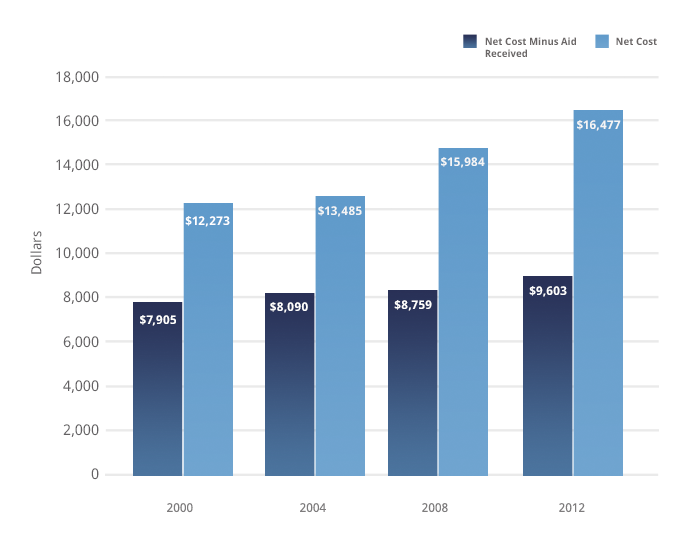
As of the 2024–2025 academic year, the average total cost of attendance—which includes tuition, fees, housing, and meals—has risen notably across all types of U.S. colleges and universities. For in-state students at
four-year public institutions, the annual cost averages around $29,910, while out-of-state students pay approximately $49,080. At two-year public colleges, in-state students face an average cost of about $20,570 per year.
Meanwhile, students attending private, nonprofit four-year colleges now pay an average of $62,990 annually. These figures reflect published sticker prices and don't account for financial aid or scholarships, which can
substantially lower what many students actually pay.
As of 2024, tertiary education attainment has risen significantly among many developed nations, with South Korea leading at 69.7% of adults aged 25–34 holding a degree, followed by Canada at 66.4%, Japan at 64.8%,
and Russia at 62.1%. Other top performers include the United Kingdom (57.5%), Australia (54.3%), and the United States (51.2%), all maintaining strong standings in higher education. Israel sits at 46.0%, showing a slight
decline from its earlier position, while China, despite notable progress, still trails with 18.5% of adults aged 25–64 holding a tertiary qualification. These trends reflect ongoing investments in education and shifts
in global workforce demands, with several Asian and Western nations leading the charge.
As of the 2024–2025 academic year, the average annual cost of attending a private nonprofit four-year college in the U.S.—including tuition, room, and board—has climbed to approximately $62,990, compared to $40,917 in 2013–14.
For public four-year colleges, the cost has risen from $18,391 to about $29,910 for in-state students, with out-of-state students paying around $49,080. These figures represent published sticker prices and don't reflect the
impact of financial aid, which significantly reduces the net price for many students.
As of the 2022–2023 academic year, U.S. universities awarded approximately 880,200 master's degrees, up from around 750,000 in 2012, reflecting growing demand for advanced credentials in fields such as business, healthcare,
and technology. While updated rankings for 2024 are still pending, institutions like the University of Phoenix—despite declining numbers—continue to rank among the top degree producers, largely due to their online programs.
Columbia University awarded over 8,500 master's degrees in recent years, maintaining its position among the top private nonprofits, while Johns Hopkins University and Harvard University each conferred between 4,000 and 5,000
degrees annually. Liberty University, with its expansive online offerings, and George Washington University, awarding between 3,900 and 4,200 degrees, also remain significant contributors to the graduate education landscape.
The Pay As You Earn (PAYE) program, launched on December 21, 2012, allows eligible federal student loan borrowers to cap their monthly payments at 10% of their discretionary income, with any remaining balance forgiven
after 20 years of qualifying payments
A study conducted by Harvard University found that for-profit colleges and universities enroll a higher proportion of minority, low-income, older, and non-traditional students—populations often drawn by flexible course
offerings such as online, evening, and weekend classes. While these institutions can offer important access to higher education, the study revealed that students attending for-profits tend to experience less favorable outcomes,
including higher unemployment and idleness rates, lower earnings, and significantly greater student debt and loan default rates compared to their counterparts at public or nonprofit colleges. Despite their efforts to serve
underserved communities, the findings raise concerns about the long-term value and financial impact of for-profit education.
A study by the National Bureau of Economic Research found that job applicants with degrees from for-profit colleges—especially large online schools—receive significantly fewer callbacks than those from public institutions.
In business roles requiring a bachelor's degree, resumes with for-profit credentials were 22% less likely to get a response. Similarly, for healthcare jobs not requiring credentials, those with public certificates saw higher
callback rates than applicants with for-profit certificates or no credentials at all. The findings highlight that employers often view for-profit degrees less favorably, particularly in reputation-sensitive fields.
As of the 2024–2025 academic year, tuition and fees at for-profit colleges average approximately $16,030, up slightly from $15,130 in 2013–2014. In comparison, in-state students at two-year public colleges now pay
around $4,050, up from $3,264, while those at four-year public colleges face average tuition and fees of about $11,610, an increase from $8,893. These figures represent sticker prices and do not include financial aid, which
can significantly reduce actual costs for many students.
While student loans have traditionally been excluded from discharge in bankruptcy—unlike credit card or mortgage debt—changes in 2024 have begun to ease these restrictions. Borrowers previously had to prove "undue hardship"
in a difficult and rarely successful process, but new guidelines from the Biden administration have streamlined this path, leading to a surge in approvals when the government supports the borrower's claim. Additionally,
the proposed Student Borrower Bankruptcy Relief Act of 2024 aims to eliminate the undue hardship standard altogether, potentially allowing student loans to be discharged like other forms of consumer debt.
As of the most recent data from the 2021–2022 academic year (the latest available), U.S. colleges and universities awarded approximately 375,400 bachelor's degrees in business and 29,000 in mathematics.
That's a notable shift from 2009, when 347,985 students earned business degrees and just 15,496 earned math degrees. While business remains the most popular undergraduate major, mathematics degrees have nearly doubled
over the past 15 years—reflecting growing interest in data science, analytics, and STEM careers.
As of 2024, educational attainment in China has advanced substantially, with about 18.5% of adults aged 25–64 having completed tertiary education—up from just 9% in 2012 and 3.6% in 2000. The growth is even more pronounced
among younger adults, reflecting the country's significant investments in higher education. In contrast, the United States continues to lead, with approximately 51.2% of adults aged 25–34 holding a tertiary degree and more than
60% of the adult population having at least some college experience, highlighting a wider and more entrenched culture of higher education participation.
As of 2024, admissions data for New York City's specialized high schools—accessed through the SHSAT—continues to reveal significant racial disparities. Out of roughly 25,678 test takers, about 4,072 students (15.9%)
received offers. Asian students secured over 50% of these offers, while white students received around 27.8%. In contrast, Black students were offered just 4.5% of seats and Hispanic students 7.6%, though both figures reflect slight
increases from the previous year. Despite initiatives like the Discovery Program aimed at enhancing diversity, the reliance on a single test score has continued to yield uneven outcomes across racial and ethnic groups.
Attending college continues to be a strong investment, with lifetime wealth accumulation closely tied to educational attainment. On average, individuals with a professional degree amass about $4.7 million over their careers,
followed by those with doctoral degrees at $4.0 million, master's degrees at $3.2 million, and bachelor's degrees at $2.8 million. Earnings decline further for those with less education: associate's degree holders average $2.0 million,
those with some college but no degree reach around $1.9 million, high school graduates accumulate about $1.6 million, and individuals with less than a high school diploma average $1.2 million. These figures underscore the substantial
financial advantage of higher education over a lifetime.
By 2025, it's projected that about 65% of all jobs in the U.S. will require some form of postsecondary education, which includes associate degrees, certificates, and other training beyond high school—not just bachelor's degrees.
This figure, often cited from a 2013 Georgetown University report, is sometimes misinterpreted to mean that 65% of jobs will require a bachelor's degree or higher, when in fact, more recent estimates suggest only about 42% of
positions will need at least a bachelor's degree by 2031, highlighting the continued relevance of various education paths in the evolving job market.
As of 2024, the average student loan debt for graduates with a four-year bachelor's degree in the U.S. is approximately $29,400, reflecting a steady increase driven by rising tuition and living costs. This figure includes both
federal and private loans and applies to those who borrowed—about half of all graduates—making it notably higher than the $25,250 figure from previous years.
Each year, only about 1,700 to 2,000 U.S. students are awarded full-ride scholarships that cover all college expenses—making them exceptionally rare, benefiting just 0.1% of the student population. For international students,
these opportunities are even more limited, typically available through prestigious and highly competitive programs such as the Fulbright Foreign Student Program or select university-funded scholarships at elite institutions.
As a result, most international students finance their education through a mix of partial scholarships, graduate assistantships, or personal and family contributions.
As of 2024, fewer than 45% of students at four-year colleges in the U.S. graduate on time—that is, within four years of starting. The more commonly cited six-year graduation rate stands at about 61% overall, with higher success
rates at public universities (71%) and private nonprofit institutions (76%). In contrast, for-profit four-year colleges continue to struggle, with an average six-year graduation rate around 36%. So while 58% may reflect a broader
or extended timeframe, it overstates the percentage of students who graduate within the traditional four-year period.
In the 2019–2020 academic year, 59% of white students at private nonprofit institutions received institutional or private scholarships, compared to 53% of Hispanic students and 51% of Black students. This disparity is
often linked to unequal access to key resources, such as college counseling, dedicated time to complete applications, and familiarity with the scholarship landscape—factors that tend to advantage white and Asian students.
However, efforts to reduce this gap have shown encouraging results: when underrepresented students are proactively informed about scholarship opportunities, they are significantly more likely to apply and ultimately receive
financial support.
As of 2024, most U.S. states still do not permit graduates of fully online, non-ABA-accredited law schools to sit for the bar exam, which is essential for becoming a licensed attorney. The American Bar Association (ABA),
which accredits nearly all law schools recognized for bar eligibility, has only recently started approving some hybrid J.D. programs but has yet to fully accredit entirely online institutions. However, a few states—such as
California, Indiana, and Connecticut—allow exceptions, enabling graduates from specific online schools like Purdue Global Law School to take their bar exams. While discussions are underway within the ABA to consider changes
to these accreditation standards, fully online law school graduates currently face significant restrictions in the majority of states..
In 2012, Herguan University —an unaccredited institution based in Sunnyvale, California—was served with a Notice of Intent to Withdraw
its certification from the Student and Exchange Visitor Program (SEVP) due to concerns over visa fraud. Jerry Wang, the university's CEO, was indicted that same year on multiple charges, including conspiracy to commit visa fraud,
use of false documents, and aggravated identity theft. In 2015, he pleaded guilty to submitting a false document to the Department of Homeland Security and admitted to participating in a broader visa fraud scheme involving
over 100 falsified documents. He was sentenced to 12 months in prison, ordered to forfeit $700,000, and placed under three years of supervised release.
In 2011, Tri-Valley University (TVU) , an unaccredited institution in Pleasanton, California, was raided by U.S. Immigration and Customs Enforcement
after being exposed as a front for visa fraud and illegal immigration, enrolling hundreds of mostly Indian international students without conducting legitimate academic operations. Its founder and president, Susan Xiao-Ping Su,
was indicted by a federal grand jury on 33 counts, including visa fraud, wire fraud, money laundering, and harboring undocumented immigrants. She was convicted on 31 of those counts and, in 2014, sentenced to 16.5 years in prison,
ordered to forfeit $5.6 million, and pay over $900,000 in restitution—marking one of the most prominent cases of student visa system abuse in the U.S.
In July 2011, the University of Northern Virginia (UNVA) , an unaccredited for-profit institution in Annandale, Virginia, was raided by U.S.
Immigration and Customs Enforcement due to concerns about visa compliance and documentation practices, leading to a notice of intent to withdraw its authorization to admit international students under the Student and Exchange Visitor Program
(SEVP). The university had previously lost its accreditation in 2008 and continued operating under temporary approvals. After further regulatory scrutiny and repeated failure to meet accreditation standards, the State Council of
Higher Education for Virginia ordered UNVA to cease operations on July 16, 2013.
According to the 2012 Harkin Report—a comprehensive investigation by the U.S. Senate Health, Education, Labor, and Pensions (HELP) Committee—the average cost of earning an associate degree or certificate at for-profit
colleges was approximately four times higher than at comparable programs offered by community colleges or public universities. The report highlighted that tuition at for-profit institutions was often set based on the maximum
federal aid available, rather than the actual cost of instruction, contributing to significantly higher student debt burdens.
Following its peak in 2010–2011, when the University of Phoenix received approximately $1.2 billion in Pell Grant funding, the amount has steadily declined due to falling enrollment and increased federal oversight of
for-profit institutions. By the late 2010s, annual disbursements were estimated to have dropped below $500 million, with continued decreases into the 2020s as enrollment numbers plummeted from over 400,000 students to
fewer than 100,000.
As of 2024, for-profit colleges continue to allocate a significant portion of their revenue to marketing, recruiting, and profits, while comparatively less is spent on instruction—mirroring patterns highlighted in the 2012 Harkin Report,
which found averages of 22.4% for marketing and recruiting, 19.4% for profits, and just 17.7% for instruction among 30 such institutions. Although updated breakdowns are limited, recent data suggests these trends persist. CEO compensation
in the sector also remains substantial, though not always as extreme as in 2009 when Strayer Education's chief executive earned about $41 million; more recently, executive pay varies widely, with some for-profit education CEOs still earning
in the multimillion-dollar range, especially where stock options or profit-based incentives are involved.
For-profit colleges in the U.S. are governed by two key accountability measures: the 90/10 rule and the gainful employment regulations. Under the 90/10 rule, these institutions must obtain at least 10% of their revenue from
non-federal sources, and as of 2023, this includes military and veteran education benefits, closing a previous loophole. Violating the rule for two consecutive years results in the loss of access to federal student aid.
Additionally, gainful employment regulations—effective July 1, 2024—require for-profit programs to meet specific debt-to-earnings and earnings threshold metrics to retain federal funding eligibility. Programs that fail both
standards for two consecutive years will become ineligible for federal aid starting in 2026, ensuring that students are not burdened with unaffordable debt and poor job prospects.
While many for-profit colleges operate primarily online and emphasize job-specific training in fields like business administration, medical billing, and web design, it's an oversimplification to say that most fail to meet
accreditation standards or that their degrees are generally unrecognized. While some for-profits have faced scrutiny for lacking proper accreditation or maintaining lower academic standards, many do hold accreditation from U.S.
Department of Education–approved agencies—though the rigor of national versus regional accreditation can affect credit transferability and employer perception. The academic quality of online programs varies significantly and depends
more on the institution than the delivery method, meaning that not all online or for-profit programs are academically inferior to traditional schools.
About 13% of students at community colleges and roughly 48% at four-year public universities take out federal student loans, largely due to their comparatively lower tuition and wider availability of grant aid.
In stark contrast, approximately 96% of students at for-profit institutions borrow to finance their education, reflecting higher tuition costs, fewer institutional scholarships, and a student population that often lacks access to
other financial resources. These disparities in borrowing rates have contributed to ongoing concerns about student debt burdens and accountability within the for-profit education sector.
During his leadership of the Senate Health, Education, Labor, and Pensions Committee, Senator Tom Harkin raised concerns about a potential conflict of interest involving national accrediting agencies such as the Accrediting
Commission of Career Schools and Colleges (ACCSC), which accredits many for-profit colleges. The 2012 Harkin Report highlighted that agencies like ACCSC were funded in part by the same institutions they were responsible for evaluating,
leading to questions about the impartiality and rigor of the accreditation process. While this funding model is common and not illegal, Harkin argued it may compromise accountability, particularly when accreditors continued to
approve schools with poor student outcomes, high loan default rates, and questionable practices.
For-profit colleges such as the University of Phoenix, Everest Institute, and Potomac College have often drawn in students with lower levels of prior education, prompting federal investigations into their business practices.
These schools have been accused of exploiting financially vulnerable individuals by aggressively helping them secure federal student aid—sometimes encouraging the use of private loans requiring family co-signers despite the
students being adults—and leaving many saddled with substantial debt and degrees of questionable value. Government scrutiny has focused on deceptive recruitment tactics, inflated promises of job placement, and the disproportionate
impact such practices have had on low-income and first-generation college students.
Roughly 30% of U.S. college students who take out student loans end up dropping out before completing their degrees, leaving many with debt but without the credentials needed to boost their earning potential. These students owe
an average of about $14,000 in federal loans and often cite financial hardship, including tuition and living expenses, as a key reason for leaving school. Without a degree, they are significantly more likely to default on their loans,
which can lead to long-term financial instability and reduced creditworthiness—highlighting a major challenge in the U.S. higher education system.
Students from families earning between $50,000 and $100,000 are often more likely to receive merit-based scholarships compared to those from families earning less than $50,000, due in part to advantages such as better access to
academic resources, extracurricular activities, and college counseling. However, students from lower-income families are typically more eligible for need-based aid—including Pell Grants and targeted scholarships—though they remain
underrepresented among recipients of private scholarships. While middle-income students may secure more merit-based awards, low-income students often receive greater total financial support when accounting for all forms of need-based aid.
In recent years, women have made up only 14% to 18% of computer science majors in the U.S., depending on how the discipline is categorized. This marks a significant drop from the mid-1980s, when over 35%
of computer science degrees were awarded to women. While numerous initiatives have emerged to promote gender diversity in tech, women remain markedly underrepresented in computer science programs, highlighting persistent
gaps in inclusion and access.
Adult education programs are designed primarily to help adults build essential foundational skills, such as literacy, basic math, or English language proficiency, and often prepare them for high school equivalency tests
like the GED; in contrast, continuing education targets adults who already have a basic educational background and are looking to advance their knowledge, gain professional certifications, explore new career opportunities,
or enrich personal interests through specialized courses in areas like business, technology, or healthcare.
As of 2025, while over half of U.S. teachers (about 51%) hold master's degrees, their average national starting salary remains comparatively low at approximately $46,526. In contrast, entry-level computer programmers
typically earn around $64,974, public accountants start between $57,250 and $70,250 depending on their specialization, and registered nurses begin at an average of $87,282. These disparities highlight the significant income
gap between the teaching profession and other fields that often require similar or even lower levels of formal education or training.
In the United States, degrees or training certificates from unaccredited institutions are generally not recognized by the federal government, most employers, or accredited academic programs. While these institutions
may hold licenses issued by local or state authorities that allow them to enroll students, operate legally, or even support international student visa applications, this legal status does not equate to educational
legitimacy. Many of these schools lack formal accreditation from agencies recognized by the U.S. Department of Education, rendering their degrees essentially worthless in most professional and academic settings.
The country is home to hundreds of unaccredited colleges, seminaries, and universities—some of which are fraudulent diploma mills, while others may be religious or ideological institutions that voluntarily
forgo accreditation—yet all typically face limited recognition and credibility.
During the 2023–2024 academic year, the United States hosted approximately 1,126,690 international students, a significant increase from the 691,000 reported in 2009–2010. India and China topped the list, with 331,602
and 277,398 students respectively, followed by South Korea, Saudi Arabia, and Canada—together accounting for the majority of international enrollment. The universities attracting the largest numbers of international students
included New York University, Northeastern University, and Columbia University, each hosting well over 10,000 students. Roughly 40% of international students in the U.S. pursue degrees in STEM-related fields, with engineering,
math and computer science, physical and life sciences, and business and management remaining the most popular areas of study.
In the 2022–2023 academic year, approximately 280,716 American students studied abroad for academic credit, showing continued recovery from pandemic-related declines. Italy remained the most popular destination,
hosting over 41,000 U.S. students, followed by the United Kingdom, Spain, France, and Ireland, which together accounted for about 45% of all study abroad participants. Other frequently chosen countries included Japan,
South Korea, Denmark, the Czech Republic, Argentina, South Africa, China, Costa Rica, Germany, and Australia. Most students pursued short-term programs of eight weeks or less, with fields of study concentrated in business
and management, social sciences, STEM disciplines, and foreign languages.
By January 2009, Michael Nicholson—a devoted lifelong learner from Kalamazoo, Michigan—had amassed an extraordinary 27 college degrees, including 1 doctorate, 20 master's degrees, 1 bachelor's degree, 2 associate's degrees,
and 3 specialist's degrees. Over the course of 50 years as a full-time or part-time student, he demonstrated an unwavering commitment to education, earning 12 of his degrees from Western Michigan University alone. Remarkably,
his academic journey wasn't over; even at that time, he continued to pursue additional degrees with the same passion that had defined his lifelong quest for knowledge.
While majors like Religion, Film, Latin, English Literature, Dance, Music Therapy, American Studies, and Art History are sometimes labeled as "worthless" due to their lower average starting salaries or fewer
direct career paths, this characterization overlooks their broader value. These fields cultivate highly transferable skills such as critical thinking, creativity, communication, and cultural understanding—qualities
prized across industries like education, publishing, marketing, nonprofit work, and even tech. Although graduates may face a less linear job market compared to those in STEM or business, success often hinges more on how
individuals apply their education than on the major itself.
Paul Quinn College in Dallas, Texas, banned pork products from its dining facilities as part of a health-conscious initiative aimed at combating conditions like hypertension and
obesity that disproportionately affect its student population, replacing pork with healthier alternatives and even repurposing its football field into an urban farm. Additionally, the college enforces a business casual dress
code between 8 a.m. and 5 p.m., with violations resulting in consequences such as community service, a $100 fine, or participation in the President's Runners Club, which involves jogging with the college president early
on a Saturday morning—all part of its mission to instill professionalism, pride, and wellness in its students.Most American colleges and universities accept more courses and grant more credit from the Advanced Placement (AP) program than from the International Baccalaureate (IB) program, largely because AP is more widely
available and better aligned with the U.S. education system. While over 22,000 U.S. high schools offer AP courses, fewer than 1,000 offer the full IB Diploma Program, making AP more familiar to admissions offices. Colleges
typically award credit for AP exam scores of 3 or higher, whereas IB credit is usually limited to Higher Level (HL) courses with scores of 5 to 7. Although both programs are valued for their academic rigor, AP tends to
offer greater flexibility, while IB is often recognized for its comprehensive, interdisciplinary approach—especially in international or holistic admissions contexts.
As of 2025, approximately 19.25 million students are enrolled in degree-granting institutions across the United States, slightly surpassing the 2009 total of 18.4 million. Among them, around 7.9 million attend
public four-year colleges and universities, 4.8 million are enrolled in public two-year institutions (community colleges), 4.1 million study at private four-year institutions, and roughly 0.6 million attend private
two-year colleges. This distribution reflects a gradual rebound from pandemic-era enrollment declines, with public institutions accounting for about 73% of all college students and community colleges experiencing
renewed interest, particularly among adult learners and those seeking short-term credentials.
As of 2025, women account for approximately 57% of all undergraduate students in the United States, with about 10.9 million enrolled compared to 8.3 million men. At the graduate level, the trend persists,
with women comprising roughly 59% to 60% of enrolled students, varying slightly by institution and program. This gender disparity has been widening for decades, and women now earn the majority of associate's, bachelor's, master's,
and doctoral degrees nationwide. The shift reflects broader changes in educational attainment and workforce participation, and the data can be further broken down by field of study or demographic group if desired.
Benjamin Bradley Bolger , born in 1975, is a self-described perpetual
student who, as of 2022, had earned 16 college degrees, including 14 advanced degrees across fields such as sociology, education, urban planning, and creative writing—not solely modern history. He holds a bachelor's degree
and an associate's degree as well, and has studied at institutions like Oxford, Stanford, and Harvard. While Bolger is often noted as second only to Michael W. Nicholson—who holds 30 degrees, including 23 master's degrees and
one doctorate—his academic journey is exceptionally diverse and ongoing, with the possibility that he may eventually surpass Nicholson in total degrees earned. Institutions of Influence
For more than two centuries, institutions like the Paris Conservatory, Royal Academy of Music, and St. Petersburg Conservatory have acted as musical powerhouses, shaping composers whose work still defines global culture.
The Paris Conservatory nurtured figures such as Claude Debussy and Camille Saint‑Saëns, while St. Petersburg trained Pyotr Tchaikovsky and Dmitri Shostakovich—artists whose compositions became the backbone of orchestral tradition.
These conservatories built their influence through rigorous technique, elite master‑teachers, and competitive performance culture. Their alumni went on to craft symphonies, ballets, and operas that became cultural landmarks,
turning these schools into enduring pillars of global musical identity.
Florence's Accademia di Belle Arti trained artists who shaped Western aesthetics, from neoclassicism to modernism. Its alumni absorbed Renaissance traditions while experimenting with new forms, turning the academy into a cultural
pillar that influenced museums, galleries, and art schools across Europe.
Cambridge became a scientific flagship through discoveries that reshaped biology, including the structure of DNA. Its labs produced Nobel laureates and research cultures that influenced genetics, physics, and computer science
worldwide.
Humboldt University became a keystone institution by pioneering the research‑university model. Figures like Albert Einstein, Max Planck, and W.E.B. Du Bois passed through its halls, shaping physics, sociology, and political thought.
Its blend of academic freedom and scientific rigor became a template for universities worldwide.
ETH Zurich produced structural visionaries like Othmar Ammann and Robert Maillart, whose bridges and load‑bearing innovations reshaped modern engineering. ETH's blend of mathematical rigor and design creativity turned it into a
global engineering pillar.
USP became a political mainstay by educating presidents, jurists, and economists who guided Brazil through dictatorship, democratization, and economic reform. Its law school, in particular, shaped constitutional thinking and
public leadership across Latin America.
For centuries, London's Inns of Court—Gray's Inn, Lincoln's Inn, Inner Temple, and Middle Temple—have trained barristers who shaped British law and global legal systems. Figures like William Blackstone, Mahatma Gandhi, and
Margaret Thatcher passed through their halls, absorbing traditions of advocacy, jurisprudence, and public service. Their influence comes not only from legal instruction but from centuries‑old rituals, mentorship networks, and the
expectation that members will shape civic life. These institutions became mainstays of legal culture, exporting their model to former British territories across Asia, Africa, and the Caribbean.
KAIST became one of Asia's defining engineering powerhouses by producing generations of researchers who fueled South Korea's transformation from a war‑torn state into a global technology leader. Its alumni helped build semiconductor
industries, robotics labs, and advanced materials research that underpin companies like Samsung and Hyundai. KAIST's influence comes from intense research culture, government partnership, and a national mission to innovate.
Tsinghua University emerged in the 20th century as a crucible for China's engineering and scientific leadership. Its graduates—such as structural engineer Wu Zhonghua and aerospace pioneer Qian Xuesen—helped build the nation's
transportation networks, energy systems, and early space program. Tsinghua's influence grew through a culture of technical rigor, state‑supported research institutes, and a national mission to modernize infrastructure. Today, its
engineering faculty remains one of Asia's most powerful powerhouses, shaping megaprojects from high‑speed rail to advanced materials research.
IIT Bombay emerged as a flagship institution whose graduates shaped engineering sectors from Silicon Valley to Singapore. Alumni like Nandan Nilekani and Manohar Parrikar became leaders in software, public policy, and national
infrastructure. The IIT culture—competitive entry, rigorous training, and a global alumni network—turned the institution into a launchpad for worldwide engineering influence.
The Film and Television Institute of India (FTII) and Satyajit Ray Film and Television Institute (SRFTI) became creative engines that shaped India's cinematic identity. FTII produced directors like Shyam Benegal and actors
like Naseeruddin Shah, while SRFTI carried forward the humanistic storytelling tradition of Satyajit Ray. Their influence grew through immersive craft training, exposure to global cinema, and a culture that encouraged experimentation.
These institutions became cultural pillars, fueling the rise of parallel cinema and influencing filmmakers across Asia, Africa, and Latin America.
The University of Tokyo and Kyoto University played central roles in Japan's transformation into a technological powerhouse. Their graduates—such as Nobel laureates Hideki Yukawa and Shin'ichiro Tomonaga—advanced physics,
engineering, and industrial innovation. These universities built influence through deep research culture, government partnerships, and laboratories that bridged theory with industrial application. Their alumni helped shape
electronics, automotive engineering, robotics, and materials science, turning these institutions into enduring flagships of scientific progress.
Tokyo Geidai shaped Japan's artistic identity by training generations of painters, composers, and filmmakers. Its alumni preserved traditional aesthetics while pushing modern experimentation, turning the university into a cultural
stronghold.
The transformation of the University of Singapore into the National University of Singapore created a modern research titan. NUS became a global system shaper through biomedical research, AI labs, and international partnerships.
Seoul National University (SNU) rose from post‑war rebuilding to become one of Asia's most influential research universities, shaping medicine, engineering, and public policy. Its ascent mirrors South Korea's economic and technological rise.
Political unrest and funding shortages strained Burkina Faso's flagship university, once a regional pillar of intellectual life. Its challenges reflect broader pressures on African higher education systems.
Sciences Po became a political powerhouse by training diplomats, presidents, and ministers across Europe and Africa. Its curriculum—political theory, economics, international relations—created leaders who shaped EU integration, global
governance, and post‑colonial transitions.
The University of Fort Hare and University of the Witwatersrand in South Africa became crucibles for political transformation during the 20th century. Fort Hare educated leaders such as Nelson Mandela, Oliver Tambo, and Robert Mugabe, while
Wits produced activists, jurists, and public intellectuals who challenged apartheid through law, journalism, and civic organizing. Their influence came from intellectual freedom, student activism, and networks that connected local
struggles to global movements. These institutions became civic bastions whose alumni reshaped national destinies.
Stellenbosch became a scientific anchor institution through agricultural research, environmental science, and biotechnology. Its labs helped modernize farming across southern Africa, while its alumni shaped conservation policy and
ecological research.
Cairo University became a regional power institution by producing scientists, writers, and political thinkers who shaped modern Arab identity. Alumni like Naguib Mahfouz and Boutros Boutros‑Ghali influenced literature, diplomacy,
and global governance.
Howard University became a civic bastion by producing leaders who shaped civil rights, law, and public service. Alumni like Thurgood Marshall, Toni Morrison, and Kamala Harris emerged from a culture of activism, scholarship, and
community engagement. Howard's influence extends across courts, literature, and national politics.
Many financially vulnerable U.S. colleges are caught in a tuition‑discount "doom loop": shrinking enrollment forces deeper discounts, which erode net revenue and trigger cuts that make it even harder to attract students.
As this cycle accelerates, more institutions face structural deficits that are difficult to reverse. In contrast, elite private universities and major public flagships operate from a position of strength, drawing far more
applicants than they can admit and maintaining pricing power even as demographics shift. The result is a widening divide in higher education, with a small group of well‑resourced institutions growing stronger while many others
struggle to remain viable.
Green Mountain College, founded in 1834 and long celebrated for its sustainability‑centered mission, ultimately became a vivid example of how even deeply rooted institutions can be overtaken by the financial pressures reshaping
higher education. After nearly 185 years in operation, the college entered a period of steep enrollment decline, rising tuition‑discount rates, and mounting operating costs that outpaced any realistic revenue recovery. Efforts to
secure a merger partner or major philanthropic rescue fell short, and by 2019 the board voted to close the institution, ending the run of one of the oldest colleges to disappear during the recent wave of U.S. campus shutdowns.
Over the past quarter‑century, the wave of college closures in the United States has not been limited to small, newer institutions. A surprising number of historically significant colleges—some founded before the
Civil War—have shut down as demographic decline, rising operating costs, and unsustainable tuition‑discounting eroded their financial foundations. These closures reveal how even deeply rooted institutions can become vulnerable when
enrollment softens and fixed costs remain high. The following ranked list highlights the oldest U.S. colleges to close since 2000, offering a snapshot of how far back the losses reach.
Green Mountain College (1834 - 2019) - A 19th‑century Vermont institution known for its environmental curriculum; ultimately undone by enrollment decline and rising discount rates.
Dowling College (1894 - 2016) - A Long Island liberal arts college that struggled with debt, accreditation issues, and falling enrollment.
Mount Ida College (1899 - 2018) - A long‑standing Massachusetts college absorbed by UMass Amherst after years of financial strain.
Marylhurst University (1893 - 2018) - One of Oregon's oldest institutions; declining enrollment among adult learners led to its closure.
Concordia College–Alabama (1922 - 2018) - The oldest historically Black Lutheran college; closed after persistent financial challenges.
Saint Joseph's College (Indiana) (1889 - 2017) - Suspended operations due to severe financial deficits; attempted but failed to reopen sustainably.
More than 312 U.S. colleges and universities vanished between 2008 and 2024, a dramatic shake‑up driven first by the collapse of for‑profit chains under federal scrutiny and later by a wave of private nonprofit campuses buckling
under enrollment drops and rising costs. What began as a reckoning for institutions promising "gainful employment" morphed into a broader crisis as demographic shifts and financial strain pushed even long‑standing colleges to close
their doors. Analysts now warn that, under severe enrollment declines, annual closures could surge to 80 institutions a year, hinting at a higher‑education landscape that may look very different in the coming decade.
2024: The trend persisted, with additional nonprofit closures announced as institutions confronted the early edge of the "enrollment cliff." The cumulative total reached ~312 closures from 2008–2024.
2021–2023: Closures continued at a steady pace, with private nonprofits now outpacing for‑profits. Enrollment declines and rising operating costs became the dominant drivers. Annual closures remained in the double digits.
2020: The pandemic triggered a new phase: private nonprofit colleges began closing at higher rates. At least 48 colleges closed or announced closures from March 2020 onward (nonprofit + for‑profit combined).
2016–2019: The for‑profit contraction reached its peak. Some years saw 40–50+ closures, including large multi‑campus systems. This four‑year stretch accounts for a substantial share of the 312 total closures.
2012–2015: Closures accelerated sharply, driven almost entirely by the for‑profit sector. Federal "gainful employment" rules forced many chains to shut down campuses or collapse entirely. Annual closures during this
period rose into the dozens per year, marking the first major wave.
2008–2011: Closures were relatively low and stable, with only a handful of institutions shutting down each year. This was the calm before the storm, as federal scrutiny of for‑profit colleges had not yet peaked.
Many universities are known for producing some of the world's most influential architects, earning their reputations through strong design traditions, pioneering studios, and alumni whose work reshaped the built environment.
Institutions such as MIT, Harvard University, the University of California, Berkeley, the University of Cambridge, and Columbia University stand out for shaping or being closely connected to figures such as Frank Gehry
(University of Southern California; Harvard Graduate School of Design), I. M. Pei (MIT; Harvard Graduate School of Design), Norman Foster (University of Manchester; Yale University), Zaha Hadid (Architectural Association
School of Architecture in London), and Rem Koolhaas (Architectural Association; Cornell University; Harvard faculty)—architects whose innovations in form, materials, and urban design continue to influence contemporary
architecture. These universities became architectural powerhouses through rigorous studio‑based curricula, cutting‑edge fabrication labs, and cultures that encourage creativity, experimentation, and critical thinking.
This combination allows generations of architects to develop the conceptual insight, technical skill, and design vision that shape cities, landscapes, and the built world.
Many universities are known for producing some of the world's most influential civil engineers, earning their reputations through strong programs in structural engineering, transportation systems, geotechnical design,
water resources, and large‑scale infrastructure development. Institutions such as MIT, Stanford University, the University of California, Berkeley, the University of Cambridge, and ETH Zurich stand out for shaping or being closely
connected to figures such as Gustave Eiffel (École Centrale Paris), Isambard Kingdom Brunel (University of Edinburgh; University of Cambridge), John Smeaton (University of Edinburgh), Fazlur Rahman Khan (University of Dhaka;
University of Illinois Urbana‑Champaign), and Othmar Ammann (ETH Zurich)—engineers whose innovations in bridges, skyscrapers, transportation networks, and structural analysis continue to influence modern civil engineering.
These universities became civil‑engineering powerhouses through rigorous technical curricula, advanced research laboratories, and cultures that encourage innovation, problem‑solving, and practical design. This combination
allows generations of civil engineers to develop the analytical skills, engineering judgment, and creative vision that shape the world's infrastructure—from bridges and tunnels to cities, dams, and transportation systems.
Many universities are known for producing some of the world's most influential politicians, earning their reputations through strong programs in law, public policy, economics, international relations, and leadership development.
Institutions such as Harvard University, the University of Leipzig, the University of Oxford, McGill University, and the University of Cambridge stand out for shaping or being closely connected to figures such as Barack Obama
(Harvard Law School), Angela Merkel (University of Leipzig), Indira Gandhi (University of Oxford), John F. Kennedy (Harvard University), Justin Trudeau (McGill University), and Lee Kuan Yew (University of Cambridge)—individuals
whose careers in national leadership, diplomacy, and public service have been widely documented and studied. These universities became political powerhouses through rigorous academic environments, vibrant student‑government
traditions, and access to policy institutes and public‑service pathways. This combination allows generations of future public leaders to develop the analytical skills, historical grounding, and practical experience that shape
impactful political careers.
Many universities are renowned for producing some of the world's most influential novelists, earning their reputations through strong literary traditions, celebrated writing programs, and alumni whose works shaped global
literature. Institutions such as the University of Iowa (Iowa Writers' Workshop), Oxford University, Harvard University, Stanford University, and Columbia University stand out for shaping figures such as Flannery O'Connor
(University of Iowa), Kazuo Ishiguro (University of East Anglia and Oxford University), Toni Morrison (Howard University and Cornell University), John Steinbeck (Stanford University), and Zadie Smith (Cambridge University)—writers
whose contributions to fiction, narrative craft, and cultural commentary continue to influence readers and authors around the world. These universities became literary powerhouses through mentorship‑driven programs, vibrant creative
communities, and environments that encourage experimentation with voice, form, and storytelling. This culture has allowed generations of novelists to develop the craft, perspective, and imagination that define enduring works of fiction.
Many universities are renowned for producing some of the world's most influential musicians, earning their reputations through exceptional conservatory training, master‑apprentice traditions, and alumni whose performances and
compositions shaped global music culture. Institutions such as The Juilliard School, Berklee College of Music, the Royal Academy of Music, the Curtis Institute of Music, and the University of Music and Performing Arts Vienna stand
out for shaping figures such as Yo‑Yo Ma (Juilliard), Herbie Hancock (Berklee College of Music), Lang Lang (Curtis Institute of Music), Leonard Bernstein (Curtis Institute of Music and Harvard University), and Anne‑Sophie Mutter
(University of Music and Performing Arts Munich)—artists whose contributions to classical performance, jazz innovation, composition, and contemporary music continue to influence generations. These universities became musical
powerhouses through elite faculty, rigorous performance standards, and environments that encourage artistic exploration, allowing musicians to develop the technical mastery and creative voice that define world‑class artistry.
Many universities are renowned for producing some of the world's most influential agricultural scientists, earning their reputations through pioneering work in crop science, soil management, plant genetics, sustainable farming,
and global food security. Institutions such as Wageningen University & Research, the University of California, Davis, Cornell University, Iowa State University, and the University of Reading stand out for shaping or being closely
connected to figures such as Norman Borlaug (University of Minnesota and Iowa State University), M.S. Swaminathan (University of Wisconsin–Madison and Cambridge University), Barbara McClintock (Cornell University), Yuan Longping
(Southwest University and Hunan Agricultural University), and Louise Fresco (Wageningen University & Research)—scientists whose breakthroughs in high‑yield crops, plant breeding, soil biology, and sustainable agriculture continue
to shape modern farming and global nutrition. These universities became agricultural‑science powerhouses through strong field‑research traditions, advanced experimental farms, and cultures that encourage innovation and
interdisciplinary problem‑solving, allowing generations of agricultural scientists to develop ideas that transformed food production, environmental stewardship, and the future of global agriculture.
Many universities are renowned for producing some of the world's most influential nuclear engineers and nuclear scientists, earning their reputations through pioneering work in reactor design, radiation physics, fusion research,
nuclear safety, and energy policy. Institutions such as MIT, the University of California, Berkeley, the University of Michigan, Texas A&M University, and the University of Cambridge stand out for shaping or being closely connected
to figures such as Enrico Fermi (University of Pisa; University of Rome), Hyman G. Rickover (U.S. Naval Academy; Columbia University), Lise Meitner (University of Vienna), Chien‑Shiung Wu (University of California, Berkeley), and
Edward Teller (University of Leipzig; University of Göttingen)—scientists and engineers whose breakthroughs in nuclear fission, naval reactors, particle physics, and fusion concepts continue to define the modern nuclear era. These
universities became nuclear‑science powerhouses through advanced research reactors, strong ties to national laboratories, and cultures that encourage rigorous analysis and bold experimentation. This environment has allowed
generations of nuclear engineers and scientists to develop ideas that transformed energy production, medical imaging, national security, and our understanding of atomic and subatomic processes.
Many universities are renowned for producing some of the world's most influential mechanical engineers, earning their reputations through pioneering work in machinery, thermodynamics, robotics, automotive engineering, and
advanced manufacturing. Institutions such as MIT, the University of Michigan, Stanford University, Georgia Tech, and Caltech stand out for shaping or being closely connected to figures such as James Watt (University of Glasgow),
Rudolf Diesel (Technical University of Munich), Kate Gleason (Cornell University and Rochester Institute of Technology), Soichiro Honda (self‑taught engineer with later institutional collaborations), and Willis Carrier (Cornell
University)—engineers whose innovations in engines, industrial systems, refrigeration, and modern manufacturing continue to define the foundations of mechanical engineering. These universities became mechanical‑engineering
powerhouses through rigorous design‑focused programs, cutting‑edge research labs, and cultures that encourage hands‑on experimentation and bold problem‑solving, allowing generations of engineers to develop
ideas that transformed transportation, energy systems, robotics, and global industry.
Many universities are renowned for producing some of the world's most influential electrical engineers, earning their reputations through pioneering work in circuits, power systems, telecommunications, semiconductors, and modern
electronics. Institutions such as MIT, Stanford University, the University of California, Berkeley, Caltech, and ETH Zurich stand out for shaping or being closely connected to figures such as Nikola Tesla (Graz University of Technology;
Charles‑Ferdinand University), Claude Shannon (MIT), Edith Clarke (MIT), Robert Noyce (MIT), and Andrew Viterbi (MIT and USC)—engineers whose breakthroughs in electromagnetism, information theory, integrated circuits, and wireless
communication continue to define the technological foundations of the modern world. These universities became electrical‑engineering powerhouses through rigorous programs, cutting‑edge research labs, and cultures that encourage
innovation and bold problem‑solving, allowing generations of engineers to develop ideas that transformed computing, energy systems, communications, and global technology infrastructure.
Many universities are known for producing some of the world's most influential planetary scientists, earning their reputations through strong programs in geology, astronomy, atmospheric science, geophysics, and the study of planets
both within and beyond our solar system. Institutions such as Caltech, MIT, the University of Arizona, the University of California, Berkeley, and the University of Cambridge stand out for shaping or being closely connected to figures
such as Carl Sagan (University of Chicago; later Harvard and Cornell faculty), Sara Seager (Harvard University; MIT faculty), James Head (Brown University; trained at Princeton and Washington University in St. Louis), Jonathan Lunine
(University of Arizona; Cornell University), and Andrea Ghez (MIT; Caltech)—planetary scientists whose work on exoplanets, planetary atmospheres, surface geology, and the dynamics of planetary systems continues to influence our
understanding of worlds beyond Earth. These universities became planetary‑science powerhouses through rigorous scientific training, access to world‑class observatories, spacecraft‑mission collaborations, and cultures that encourage
interdisciplinary exploration. This combination allows generations of planetary scientists to develop the analytical insight, observational skill, and creative imagination that drive discoveries about the formation, evolution, and
diversity of planets.
Many universities are known for producing some of the world's most influential cosmologists, earning their reputations through strong programs in theoretical physics, astrophysics, mathematics, and the study of the universe's origins
and large‑scale structure. Institutions such as Harvard University, MIT, the University of Cambridge, Caltech, and the University of Chicago stand out for shaping or being closely connected to figures such as Stephen Hawking (University
of Oxford; University of Cambridge), Alan Guth (MIT), George Gamow (University of Leningrad; later George Washington University), Roger Penrose (University College London; University of Cambridge; Oxford faculty), and Edward Witten
(Brandeis University; Princeton University; Institute for Advanced Study)—cosmologists whose work on inflation theory, black holes, the Big Bang, and the mathematical foundations of the universe continues to influence modern cosmology.
These universities became cosmology powerhouses through rigorous scientific training, access to world‑class observatories and theoretical‑physics institutes, and cultures that encourage deep mathematical reasoning, bold hypotheses, and
interdisciplinary exploration. This combination allows generations of cosmologists to develop the conceptual insight, analytical precision, and creative imagination that drive discoveries about the origin, evolution, and fate of the
universe.
Many universities are known for producing some of the world's most influential astronomers, earning their reputations through strong programs in observational astronomy, astrophysics, planetary science, and cosmology. Institutions
such as Harvard University, MIT, the University of California, Berkeley, the University of Cambridge, and Caltech stand out for shaping or being closely connected to figures such as Annie Jump Cannon (Wellesley College; Radcliffe College
at Harvard), Edwin Hubble (University of Chicago; Oxford University), Cecilia Payne‑Gaposchkin (University of Cambridge; Harvard University), George Ellery Hale (MIT; Harvard University), and Jocelyn Bell Burnell (University of Glasgow;
University of Cambridge)—astronomers whose discoveries in stellar classification, galactic structure, pulsars, and solar physics continue to influence our understanding of the universe. These universities became astronomy powerhouses
through rigorous scientific training, access to world‑class observatories and research centers, and cultures that encourage curiosity, precision, and bold exploration. This combination allows generations of astronomers to develop the
observational skill, analytical depth, and theoretical insight that drive discoveries about stars, galaxies, and the cosmos.
Many universities are known for producing some of the world's most influential astronauts, earning their reputations through strong programs in aerospace engineering, physics, planetary science, and advanced research in human
spaceflight. Institutions such as MIT, Stanford University, the University of California, Berkeley, the United States Naval Academy, and the University of Cambridge stand out for shaping or being closely connected to figures such
as Buzz Aldrin (MIT), Sally Ride (Stanford University), Chris Hadfield (Royal Military College of Canada; later NASA training collaborations with U.S. institutions), Kalpana Chawla (Punjab Engineering College; University of Texas
at Arlington; University of Colorado Boulder), and Neil Armstrong (Purdue University; University of Southern California)—astronauts whose missions, research, and exploration achievements continue to influence space science and
human spaceflight. These universities became astronaut‑training powerhouses through rigorous STEM curricula, access to cutting‑edge laboratories and flight‑research facilities, and cultures that encourage exploration, resilience,
and interdisciplinary problem‑solving. This combination allows generations of future astronauts to develop the technical expertise, scientific insight, and operational discipline required for missions that expand humanity's
presence beyond Earth.
Many universities are known for producing some of the world's most influential astrophysicists, earning their reputations through strong programs in physics, astronomy, cosmology, and space science. Institutions such as MIT,
Harvard University, the University of California, Berkeley, the University of Cambridge, and Caltech stand out for shaping or being closely connected to figures such as Subrahmanyan Chandrasekhar (University of Cambridge; later
University of Chicago faculty), Stephen Hawking (University of Oxford; University of Cambridge), Vera Rubin (Vassar College; Cornell University; Georgetown University), Kip Thorne (Caltech), and Carl Sagan (University of Chicago;
later Harvard and Cornell faculty)—astrophysicists whose work on black holes, dark matter, gravitational waves, and planetary science continues to influence our understanding of the universe. These universities became astrophysics
powerhouses through rigorous scientific training, access to world‑class observatories and research centers, and cultures that encourage curiosity, mathematical depth, and bold theoretical exploration. This combination allows
generations of astrophysicists to develop the analytical insight, observational skill, and conceptual imagination that drive discoveries about the cosmos.
Many universities are renowned for producing some of the world's most influential aerospace engineers, earning their reputations through pioneering work in aeronautics, astronautics, propulsion, and spacecraft design. Institutions
such as MIT, Caltech, Stanford University, the University of Michigan, and the Georgia Institute of Technology stand out for shaping or being closely connected to figures such as Wernher von Braun (Technical University of Berlin),
Theodore von Kármán (Royal Hungarian Joseph University; later Caltech), Kelly Johnson (University of Michigan), and Mae Jemison (Stanford University and Cornell University)—engineers and innovators whose breakthroughs in rocketry,
aircraft design, and space exploration continue to define modern aerospace technology. These universities became aerospace powerhouses through cutting‑edge research labs, strong ties to NASA and major aerospace companies, and
cultures that encourage bold experimentation, allowing generations of engineers to develop ideas that transformed aviation, satellite systems, and humanity's reach into space.
Many universities are renowned for producing some of the world's most influential economists, earning their reputations through rigorous quantitative training, groundbreaking research traditions, and alumni whose ideas reshaped global
markets, public policy, and economic theory. Institutions such as MIT, Harvard University, the University of Chicago, the London School of Economics, and Stanford University stand out for shaping or being closely connected to figures
such as Paul Samuelson (University of Chicago; Harvard University), Milton Friedman (Rutgers University; University of Chicago), Amartya Sen (University of Cambridge; Delhi School of Economics; LSE), Esther Duflo
(École Normale Supérieure; MIT), and Joseph Stiglitz (MIT; University of Chicago)—economists whose contributions to macroeconomics, development economics, behavioral insights, and econometrics continue to guide governments,
central banks, and international institutions. These universities became economic powerhouses through strong research cultures, influential faculty networks, and environments that encourage analytical depth and policy‑relevant
thinking, allowing generations of economists to develop ideas that transformed how societies understand growth, inequality, markets, and human behavior.
Many universities are celebrated for producing some of the world's most influential mathematicians, earning their reputations through centuries of discovery, rigorous training, and alumni whose ideas reshaped entire branches of
mathematics. Institutions such as the University of Cambridge, Princeton University, MIT, the University of Paris (Sorbonne), and Harvard University stand out for shaping or being closely connected to figures such as Isaac Newton
(University of Cambridge), Alan Turing (University of Cambridge; Princeton University), John von Neumann (University of Budapest; University of Göttingen), Terence Tao (Flinders University; Princeton University), and Andrew Wiles
(University of Cambridge; Princeton University)—mathematicians whose breakthroughs in calculus, logic, number theory, and mathematical physics continue to define modern scientific thought. These universities became mathematical
powerhouses through deep theoretical traditions, vibrant research communities, and cultures that encourage abstraction, creativity, and bold problem‑solving, allowing generations of mathematicians to develop ideas that transformed
both pure theory and real‑world applications.
Many universities are known for producing some of the world's most influential condensed‑matter physicists, earning their reputations through strong programs in solid‑state physics, materials science, quantum many‑body theory, and
low‑temperature experimentation. Institutions such as MIT, Stanford University, the University of California, Berkeley, Harvard University, and the University of Cambridge stand out for shaping or being closely connected to figures
such as Philip W. Anderson (Harvard University; Princeton University), John Bardeen (University of Wisconsin–Madison; later University of Illinois Urbana‑Champaign faculty), Steven Kivelson (MIT; Stanford University faculty),
Subir Sachdev (University of Cambridge; Harvard University faculty), and Nevill Mott (University of Cambridge)—condensed‑matter physicists whose work on superconductivity, semiconductors, strongly correlated systems, and electronic
structure continues to influence modern materials science. These universities became condensed‑matter‑physics powerhouses through rigorous theoretical and experimental training, access to advanced materials laboratories and
national‑lab collaborations, and cultures that encourage interdisciplinary exploration across physics, chemistry, and engineering. This combination allows generations of condensed‑matter physicists to develop the analytical depth,
experimental precision, and conceptual insight that drive breakthroughs in quantum materials, electronic devices, and the fundamental behavior of matter in complex systems.
Many universities are known for producing some of the world's most influential optical physicists, earning their reputations through strong programs in photonics, laser science, quantum optics, optical materials, and precision
measurement. Institutions such as MIT, the University of Rochester, Caltech, the University of Arizona, and Stanford University stand out for shaping or being closely connected to figures such as Theodore Maiman (University of
Colorado Boulder; Stanford University), Charles Townes (Caltech; later Columbia University and UC Berkeley faculty), Donna Strickland (McMaster University; University of Rochester; later University of Waterloo faculty), Arthur Ashkin
(Columbia University; Cornell University), and Nergis Mavalvala (Wellesley College; MIT faculty)—optical physicists whose work on lasers, nonlinear optics, optical trapping, and quantum‑level light–matter interactions continues to
influence modern optical science. These universities became optical‑physics powerhouses through rigorous scientific training, access to advanced photonics laboratories and national‑lab partnerships, and cultures that encourage
experimental innovation, precision engineering, and interdisciplinary exploration. This combination allows generations of optical physicists to develop the analytical insight, technical expertise, and creative vision that drive
breakthroughs in imaging, communication, sensing, and the fundamental behavior of light.
Many universities are known for producing some of the world's most influential experimental physicists, earning their reputations through strong programs in laboratory physics, precision measurement, detector development, and
large‑scale experimental research. Institutions such as MIT, Stanford University, Caltech, the University of Chicago, and the University of California, Berkeley stand out for shaping or being closely connected to figures such as
Robert A. Millikan (University of Chicago; later Caltech faculty), Luis Alvarez (University of Chicago; UC Berkeley faculty), Chien‑Shiung Wu (University of Michigan; UC Berkeley; Columbia University), Rainer Weiss (MIT), and
Donna Strickland (McMaster University; University of Rochester; later University of Waterloo faculty)—experimental physicists whose work on electron charge, particle detection, parity violation, gravitational‑wave interferometry,
and ultrafast lasers continues to influence modern physics. These universities became experimental‑physics powerhouses through rigorous scientific training, access to world‑class laboratories and national‑lab partnerships, and
cultures that encourage hands‑on investigation, technical innovation, and collaborative research. This combination allows generations of experimental physicists to develop the precision, creativity, and engineering skill that
drive discoveries about the fundamental behavior of matter, energy, and the physical universe.
Many universities are known for producing some of the world's most influential nuclear physicists, earning their reputations through strong programs in nuclear theory, reactor physics, particle–nucleus interactions, radiation
science, and large‑scale experimental research. Institutions such as MIT, the University of California, Berkeley, the University of Chicago, Harvard University, and Princeton University stand out for shaping or being closely connected
to figures such as Enrico Fermi (University of Pisa; University of Chicago faculty), Ernest O. Lawrence (University of South Dakota; UC Berkeley faculty), Lise Meitner (University of Vienna; Kaiser Wilhelm Institute), Hans Bethe
(University of Frankfurt; Cornell University), and Maria Goeppert Mayer (University of Göttingen; University of Chicago; Argonne National Laboratory)—nuclear physicists whose work on nuclear structure, fission, fusion, and quantum
models of the nucleus continues to influence modern nuclear science. These universities became nuclear‑physics powerhouses through rigorous scientific training, access to world‑class laboratories and national‑lab partnerships, and
cultures that encourage deep theoretical reasoning, experimental precision, and interdisciplinary collaboration. This combination allows generations of nuclear physicists to develop the analytical insight, technical expertise, and
conceptual understanding that drive discoveries about the forces, particles, and reactions at the heart of atomic nuclei.
Many universities are known for producing some of the world's most influential quantum physicists, earning their reputations through strong programs in quantum mechanics, condensed‑matter physics, quantum information science,
and the mathematical foundations of physical theory. Institutions such as Harvard University, MIT, Caltech, the University of Cambridge, and Princeton University stand out for shaping or being closely connected to figures such as
Niels Bohr (University of Copenhagen; later collaborations with Cambridge and Harvard physicists), Erwin Schrödinger (University of Vienna; University of Zurich), Werner Heisenberg (University of Munich; University of Göttingen),
David J. Wineland (University of California, Berkeley; later NIST and University of Colorado Boulder), and Peter Shor (Caltech; MIT faculty)—quantum physicists whose work on wave mechanics, uncertainty, quantum computing, and
atomic precision measurements continues to influence modern quantum science. These universities became quantum‑physics powerhouses through rigorous theoretical training, access to advanced laboratories and quantum‑technology
centers, and cultures that encourage deep mathematical reasoning, experimental innovation, and interdisciplinary exploration. This combination allows generations of quantum physicists to develop the conceptual insight, analytical
precision, and creative imagination that drive breakthroughs in our understanding of the quantum world.
Many universities are known for producing some of the world's most influential particle physicists, earning their reputations through strong programs in high‑energy physics, quantum field theory, accelerator science, and
experimental detector development. Institutions such as Harvard University, MIT, Stanford University, Caltech, and the University of Chicago stand out for shaping or being closely connected to figures such as Murray Gell‑Mann
(Yale University; MIT; later Caltech faculty), Richard Feynman (MIT; Princeton University; Caltech faculty), Sheldon Glashow (Cornell University; Harvard University), Leon Lederman (University of Chicago), and Steven Weinberg
(Cornell University; Princeton University; Harvard University; University of Texas at Austin)—particle physicists whose work on quarks, electroweak unification, neutrinos, and the Standard Model continues to define modern
high‑energy physics. These universities became particle‑physics powerhouses through rigorous theoretical training, access to world‑class laboratories and accelerator facilities, and cultures that encourage deep mathematical
reasoning, experimental innovation, and international collaboration. This combination allows generations of particle physicists to develop the analytical precision, technical expertise, and conceptual insight that drive
discoveries about the fundamental building blocks of matter.
Many universities are known for producing some of the world's most influential theoretical physicists, earning their reputations through strong programs in mathematics, quantum theory, particle physics, cosmology, and the foundations
of physical law. Institutions such as Harvard University, MIT, the University of Cambridge, Princeton University, and Caltech stand out for shaping or being closely connected to figures such as Richard Feynman (MIT; Princeton University;
later Caltech faculty), Stephen Hawking (University of Oxford; University of Cambridge), Murray Gell‑Mann (Yale University; MIT; later Caltech faculty), Edward Witten (Brandeis University; Princeton University; Institute for Advanced Study),
and Paul Dirac (University of Bristol; University of Cambridge)—theoretical physicists whose work on quantum mechanics, particle symmetries, black holes, and the mathematical structure of the universe continues to influence modern physics.
These universities became theoretical‑physics powerhouses through rigorous mathematical training, access to world‑class research institutes, and cultures that encourage deep conceptual thinking, bold hypotheses, and interdisciplinary
exploration. This combination allows generations of theoretical physicists to develop the analytical precision, creative insight, and foundational understanding that drive breakthroughs in our knowledge of the physical universe.
Many universities are renowned for producing some of the world's most influential physicists, earning their reputations through historic discoveries, Nobel‑winning research, and alumni whose work reshaped the understanding of
matter, energy, and the universe itself. Institutions such as Caltech, MIT, the University of Cambridge, Harvard University, and Princeton University stand out for shaping or being closely connected to figures such as
Albert Einstein (ETH Zurich; University of Zurich), Richard Feynman (MIT; Princeton University; later Caltech faculty), Stephen Hawking (University of Oxford; University of Cambridge), Murray Gell‑Mann (Yale University; MIT;
later Caltech faculty), and Kip Thorne (Caltech)—physicists whose breakthroughs in relativity, quantum mechanics, cosmology, and particle physics continue to define modern science. These universities became physics powerhouses
through rigorous theoretical traditions, cutting‑edge laboratories, and cultures that encourage deep curiosity and bold exploration, allowing generations of physicists to develop ideas that transformed both fundamental science
and advanced technologies.
Many universities are celebrated for producing some of the world's most influential chemists, earning their reputations through groundbreaking discoveries, Nobel‑level research, and alumni whose work transformed modern chemistry.
Institutions such as the University of Cambridge, Harvard University, ETH Zurich, the University of California, Berkeley, and MIT stand out for shaping or being closely connected to figures such as Marie Curie
(University of Paris/Sorbonne), Linus Pauling (Oregon State University; Caltech faculty), Ahmed Zewail (University of Alexandria; University of Pennsylvania; Caltech faculty), Dorothy Hodgkin (University of Oxford; University of Cambridge),
and George Whitesides (Harvard University; Caltech)—chemists whose contributions to quantum chemistry, structural biology, femtochemistry, and materials science continue to influence scientific progress. These universities became
chemistry powerhouses through strong laboratory traditions, pioneering research cultures, and environments that encourage deep curiosity and experimental boldness, allowing generations of chemists to develop ideas that reshaped
everything from medicine and energy to materials and molecular science.
Many universities are renowned for producing some of the world's most influential chemical engineers, earning their reputations through pioneering work in reaction engineering, materials science, petrochemical processes,
biotechnology, and sustainable energy systems. Institutions such as MIT, the University of California, Berkeley, Stanford University, the University of Texas at Austin, and ETH Zurich stand out for shaping or being closely connected
to figures such as Carl Bosch (Technical University of Berlin; University of Leipzig), Frances Arnold (Princeton University; UC Berkeley; Caltech faculty), George E. Davis (University of Manchester), Robert Langer
(Cornell University; MIT faculty), and John H. Perry (University of Kansas)—engineers whose breakthroughs in industrial chemistry, enzyme engineering, polymer science, and large‑scale chemical production continue to define the field.
These universities became chemical‑engineering powerhouses through rigorous curricula, cutting‑edge laboratories, and cultures that encourage innovation and interdisciplinary problem‑solving, allowing generations of engineers to
develop ideas that transformed pharmaceuticals, energy, manufacturing, and environmental technologies.
Many universities are renowned for producing some of the world's most influential biologists, earning their reputations through groundbreaking discoveries in genetics, evolution, molecular biology, ecology, and biomedical science.
Institutions such as Harvard University, the University of Cambridge, MIT, Stanford University, and the University of California, Berkeley stand out for shaping or being closely connected to figures such as Charles Darwin
(University of Cambridge), Barbara McClintock (Cornell University), James Watson (University of Chicago; Indiana University; later Harvard faculty), Jennifer Doudna (Pomona College; Harvard Medical School; UC Berkeley faculty),
and E.O. Wilson (University of Alabama; Harvard University)—biologists whose work on evolution, gene regulation, DNA structure, CRISPR gene editing, and biodiversity continues to define modern biological science. These universities
became biology powerhouses through strong research cultures, advanced laboratories, and environments that encourage curiosity, experimentation, and interdisciplinary thinking, allowing generations of biologists to develop ideas
that transformed medicine, agriculture, environmental science, and our understanding of life itself.
Many universities are renowned for producing some of the world's most influential medical doctors, earning their reputations through rigorous training, cutting‑edge research environments, and alumni whose breakthroughs transformed
modern medicine. Institutions such as Harvard University, Johns Hopkins University, Stanford University, the University of Oxford, and the University of California, San Francisco stand out for shaping or being closely connected to
figures such as Paul Farmer (Duke University; Harvard Medical School), Harvey Cushing (Harvard University; Johns Hopkins Hospital), Anthony Fauci (College of the Holy Cross; Cornell University Medical College), Elizabeth Blackburn
(University of Melbourne; University of Cambridge; later UCSF faculty), and Shinya Yamanaka (Kobe University; Osaka University; later UCSF and Kyoto University)—physicians and physician‑scientists whose work in global health,
neurosurgery, immunology, genetics, and regenerative medicine continues to influence clinical practice and biomedical innovation. These universities became medical powerhouses through strong teaching hospitals, advanced research
institutes, and cultures that encourage scientific curiosity and compassionate care, allowing generations of doctors to develop ideas and treatments that have reshaped healthcare worldwide.
Many universities have become globally recognized for producing some of the most influential AI scientists of the modern era, building their reputations through pioneering research in machine learning, neural networks, robotics, and
large‑scale computational systems. Institutions such as MIT, Stanford University, Carnegie Mellon University, the University of Toronto, and the University of California, Berkeley stand out for nurturing or being closely connected to
figures such as Geoffrey Hinton (University of Cambridge; University of Toronto faculty), Yann LeCun (Université Pierre et Marie Curie/Sorbonne; NYU; Meta AI), Andrew Ng (Carnegie Mellon University; MIT; UC Berkeley; Stanford faculty),
Fei‑Fei Li (Princeton University; Caltech; Stanford faculty), and Demis Hassabis (University of Cambridge; University College London)—researchers whose breakthroughs in deep learning, computer vision, reinforcement learning, and
generative models reshaped the trajectory of artificial intelligence. These universities earned their status as AI powerhouses through cutting‑edge labs, interdisciplinary collaboration, and cultures that encourage bold experimentation,
allowing generations of scientists to develop ideas that now drive everything from autonomous systems to modern AI research foundations.
Many universities are widely recognized for producing some of the world's most influential computer scientists, earning their reputations through pioneering work in algorithms, operating systems, artificial intelligence,
networking, and the foundations of modern computing. Institutions such as MIT, Stanford University, Carnegie Mellon University, the University of California, Berkeley, and the University of Cambridge stand out for shaping or
being closely connected to figures such as Donald Knuth (Case Institute of Technology; Caltech), Tim Berners‑Lee (University of Oxford), Barbara Liskov (UC Berkeley; Stanford University; MIT faculty), Andrew Ng
(Carnegie Mellon University; MIT; UC Berkeley; Stanford faculty), and John McCarthy (Caltech; Princeton University; Stanford faculty)—computer scientists whose breakthroughs in algorithm design, the World Wide Web, programming
languages, machine learning, and artificial intelligence continue to define the digital age. These universities became computing powerhouses through strong engineering traditions, cutting‑edge research labs, and cultures that
encourage innovation and bold experimentation, allowing generations of computer scientists to develop ideas that transformed software, hardware, and the global technology landscape.
Many universities are widely recognized for producing some of the world's most influential engineers, earning their reputations through decades of innovation, landmark inventions, and alumni whose work reshaped modern technology
and infrastructure. Institutions such as MIT, Stanford University, the University of California, Berkeley, the University of Cambridge, and Caltech stand out for nurturing or being closely connected to figures such as Nikola Tesla
(Graz University of Technology; Charles‑Ferdinand University), Vannevar Bush (Tufts University; MIT faculty), Gordon Moore (San José State University; UC Berkeley; Caltech), and Edith Clarke (Vassar College; MIT)—engineers whose
breakthroughs in electrical systems, computing, aerospace, and structural design continue to define contemporary engineering practice. These universities became engineering powerhouses through rigorous programs, cutting‑edge
laboratories, and cultures that encourage experimentation and bold problem‑solving, allowing generations of engineers to develop ideas that transformed industries and advanced global technological progress.
Many universities are known for producing some of the world's most influential inventors, earning their reputations through strong engineering traditions, cutting‑edge research environments, and alumni whose creations transformed
modern technology and daily life. Institutions such as MIT, Stanford University, the University of California, Berkeley, the University of Cambridge, and Harvard University stand out for shaping or being closely connected to figures
such as Thomas Edison (who attended Cooper Union and briefly enrolled at other institutions but collaborated extensively with MIT‑trained engineers), Alexander Graham Bell (University of Edinburgh; University College London),
Hedy Lamarr (self‑taught inventor who later collaborated with researchers connected to MIT), Nikola Tesla (Graz University of Technology; Charles‑Ferdinand University), and Tim Berners‑Lee (University of Oxford)—inventors whose
breakthroughs in electricity, telecommunications, wireless technology, computing, and the internet continue to influence the modern world. These universities became invention powerhouses through rigorous academic environments,
vibrant engineering and entrepreneurship cultures, and access to laboratories, innovation hubs, and industry partnerships. This combination allows generations of future inventors to develop the technical expertise, creative
problem‑solving skills, and experimental mindset that lead to transformative technological breakthroughs.
Many universities are known for producing some of the world's most influential materials scientists, earning their reputations through strong programs in solid‑state chemistry, metallurgy, nanotechnology, polymers, and the physics
of advanced materials. Institutions such as MIT, Stanford University, the University of California, Berkeley, Caltech, and the University of Cambridge stand out for shaping or being closely connected to figures such as
William D. Callister Jr. (University of Utah), Mildred Dresselhaus (University of Chicago; MIT faculty), Julia R. Greer (MIT; Caltech faculty), Sir Harry Bhadeshia (University of Cambridge), and Robert Langer (Cornell University;
MIT faculty)—materials scientists whose work on nanostructures, carbon materials, advanced alloys, biomaterials, and polymer systems continues to influence modern materials research and engineering. These universities became
materials‑science powerhouses through rigorous interdisciplinary training, access to advanced characterization facilities, and cultures that encourage collaboration across physics, chemistry, engineering, and biology. This
combination allows generations of materials scientists to develop the analytical depth, experimental precision, and creative insight that drive breakthroughs in energy storage, semiconductors, structural materials, medical
devices, and the design of matter at the atomic and molecular scale.
Many universities are renowned for producing some of the world's most famous scientists, building their reputations through generations of groundbreaking research and alumni whose discoveries reshaped modern science. Institutions
such as MIT, Harvard University, Stanford University, the University of Cambridge, and the University of California, Berkeley stand out for nurturing or being closely connected to figures such as Richard Feynman (MIT; Princeton University;
later Caltech faculty), Stephen Hawking (University of Oxford; University of Cambridge), Jennifer Doudna (Pomona College; Harvard Medical School; UC Berkeley faculty), Subrahmanyan Chandrasekhar (University of Madras; University of
Cambridge; later University of Chicago faculty), and Katalin Karikó (University of Szeged; Temple University; University of Pennsylvania)—scientists whose work in physics, genetics, chemistry, and medicine continues to influence
global understanding of the natural world. These universities became scientific powerhouses not only through strong academic programs and well‑funded laboratories but also through cultures that encourage curiosity, experimentation,
and bold thinking, allowing many of the most celebrated scientific minds to develop ideas that changed history.
Hundreds of Nobel Prizes have been awarded to individuals affiliated with U.S. universities, either as faculty, researchers, or students at the time of their award. These numbers include laureates in Physics, Chemistry, Medicine,
Economics, Peace, and sometimes Literature, and reflect both faculty and alumni. The U.S. university system has long been a powerhouse for Nobel-caliber research, often fueled by federal funding and global collaboration.
University Approx. Nobel Affiliates
Harvard University 121
University of Chicago 98
Columbia University 87
University of California, Berkeley 83
Massachusetts Institute of Technology (MIT) 77
Stanford University 54
Princeton University 53
California Institute of Technology 52
Yale University 48
According to a report by the Partnership for Public Service, approximately 50 American Nobel laureates received their awards while serving as U.S. federal employees, or their public service work significantly
contributed to their Nobel-winning achievements. These individuals were honored in fields such as Physiology or Medicine, Physics, Chemistry, Economics, and Peace, and many were affiliated with institutions like
the National Institutes of Health (NIH), NASA, and other federal research agencies. This legacy highlights how federal service has played a pivotal role in fostering groundbreaking scientific and humanitarian achievements. Some notable examples include:
Ferid Murad & Louis Ignarro (1998) – for discoveries about nitric oxide, both worked at NIH.
Stanley Prusiner (1997) – discovered prions, supported by NIH.
Joseph Murray (1990) – organ transplantation pioneer, influenced by military medical service.
Harold Varmus & J. Michael Bishop (1989) – cancer genetics, with NIH ties.
Michael Brown & Joseph Goldstein (1985) – cholesterol metabolism, NIH-supported.
Many game-changing innovations trace their roots to university research funded by the U.S. government. Below are some standout examples that show how federal investment in university research doesn't just fuel
academic progress—it powers real-world innovation that touches nearly every aspect of our lives and shape everyday life. These innovations also show how federal funding doesn't just stay in the university lab—it powers
industries, saves lives, and has shaped everything from the cars we drive to the planes we fly.
🧬 Health & Medicine
Insulin pump technology: Refined at universities like Johns Hopkins with NIH support, transforming diabetes care.
Artificial heart valves: Developed through federally funded biomedical engineering programs.
Lactose-free milk: Commercialized from NIH-backed research into enzyme treatments.
Enriched infant formula: NASA's microalgae research led to omega-3 additives now used in 90% of U.S. baby formulas.
🧪 Medical Breakthroughs
MRI technology: Developed with support from the National Science Foundation (NSF), now a cornerstone of modern diagnostics.
Polio and influenza vaccines: Pioneered through NIH-funded university labs, saving millions of lives.
mRNA COVID-19 vaccines: Built on decades of federally funded university research.
Surfactant therapy for premature infants: UC San Francisco researchers helped develop this life-saving treatment with NIH support.
🧬 Biotech & Health
Human Genome Project: Coordinated by universities with NIH and DOE funding, revolutionized genetics and personalized medicine.
CAT scan technology: Advanced through federally funded university labs, transforming medical imaging.
Cancer therapies: Frederick National Lab for Cancer Research (NIH-funded) contributed to breakthroughs in oncology.
💡 Technology & Engineering
The Internet: Originated from ARPANET, a Department of Defense-funded project involving UCLA and Stanford.
GPS: Developed through military-funded university research, now essential for navigation.
LED lights and LCDs: Emerged from university labs with federal backing.
Quantum dots: Refined at MIT with Army and NIST support, now used in display screens.
Quantum computing and AI: Pioneered at institutions like MIT and UC Berkeley with NSF and DoD support.
Frequency combs: Developed at CU Boulder and NIST, now used in precision measurement and disease detection.
🧠 Artificial Intelligence (AI) & Robotics
Neural networks and backpropagation: Developed at UC San Diego with NSF and Navy funding, forming the backbone of modern AI systems.
Autonomous robots: DARPA-funded "Shakey the Robot" laid the groundwork for modern robotics and AI.
Closed captioning: Developed by the National Bureau of Standards (now NIST) to improve media accessibility.
🚀 ✈️ Airplanes, Space & Aerospace
Jet Propulsion Laboratory (Caltech): Developed key components for NASA missions, including key systems for Mars rovers and space probes like Voyager and Europa Clipper.
Europa Surface Dust Analyzer (University of Colorado Boulder): A $53 million instrument launched to search for organic molecules on Jupiter's moon Europa.
NASA's X-planes: Experimental aircraft like the X-15 and X-43 were developed with university collaboration to test supersonic and hypersonic flight.
HIAPER (High-Performance Instrumented Airborne Platform for Environmental Research): A modified Gulfstream V jet used by NCAR and NSF for atmospheric research.
University of Wyoming King Air (UWKA): A twin-engine aircraft used for cloud physics and boundary layer studies.
🚗 Cars & Ground Vehicles
Autonomous vehicle tech: University of Michigan's Automotive Research Center (ARC), funded by the U.S. Army, is pioneering off-road autonomy and simulation for military vehicles.
Electric and hybrid vehicle systems: The Center for Efficient Vehicles and Sustainable Transportation Systems (EV-STS), supported by NSF, works on advanced batteries, fuel cells, and lightweight materials.
Vehicle safety systems: Technologies like crash simulation software and predictive maintenance tools were developed through federally funded university labs.
💻 Computing & Communications
ARPANET: The precursor to the internet, developed at UCLA and Stanford with Department of Defense funding.
Software Engineering Institute (Carnegie Mellon): Created foundational cybersecurity and software development frameworks.
🔬 Energy & Environment
National Renewable Energy Lab (NREL): Partnered with universities to develop solar panels, wind turbines, and energy-efficient technologies.
Methane leak detection: CU Boulder's Nobel Prize-winning frequency comb tech is now used to monitor environmental hazards.
📡 Communications & Electronics
Touchscreen technology: Evolved from NSF and CIA-funded research into human-computer interaction.
Microchips: Mass production was accelerated by post-WWII government contracts for missile guidance systems.
Accelerometers: First commercialized in 1949 with NIST involvement—now used in phones, cars, and medical devices.
🌱 Agriculture & Environment
Flood-resistant rice: UC Davis and UC Riverside created varieties that feed millions in Asia, funded by the USDA.
CRISPR gene-editing: Advanced through NIH and DOE grants, revolutionizing genetics and agriculture.
🌪️ Weather & Climate
Doppler radar: NSF-funded research led to modern weather forecasting and storm tracking systems.
3D seismic imaging: DOE-backed algorithms improved oil exploration and earthquake prediction.
🛠️ Industrial & Consumer Goods
Barcodes: NSF-supported research led to the first UPC barcode in 1974.
Modern Goodyear tires: NASA's parachute material for Mars missions was adapted for tire durability.
Reverse auctions: NSF-funded algorithms now help federal agencies save money on procurement.
🛠️ Other Notable Innovations
Seatbelt technology: Improved through crash simulations and biomechanics research at university centers.
Touchscreen interfaces: Evolved from NSF-funded human-computer interaction studies.
Advanced tires: NASA's parachute materials for Mars missions were adapted by Goodyear for high-performance tires.
Closed captioning: Developed by the National Bureau of Standards (now NIST) to improve media accessibility.
Barcodes: NSF-supported research led to the first UPC barcode in 1974.